What Was Korea Like 800 Years Ago? Two Shipwrecks Reveal the Story of Goryeo
Ancient shipwreck discoveries off Korea’s coast offer a glimpse into the Goryeo Kingdom, its people, maritime transport and international trade.
Nearly 800 years ago, a cargo ship sailed along the western coast of the Korean Peninsula, carrying grain toward Gaegyeong, the capital of the Goryeo Kingdom.
It never reached its destination.
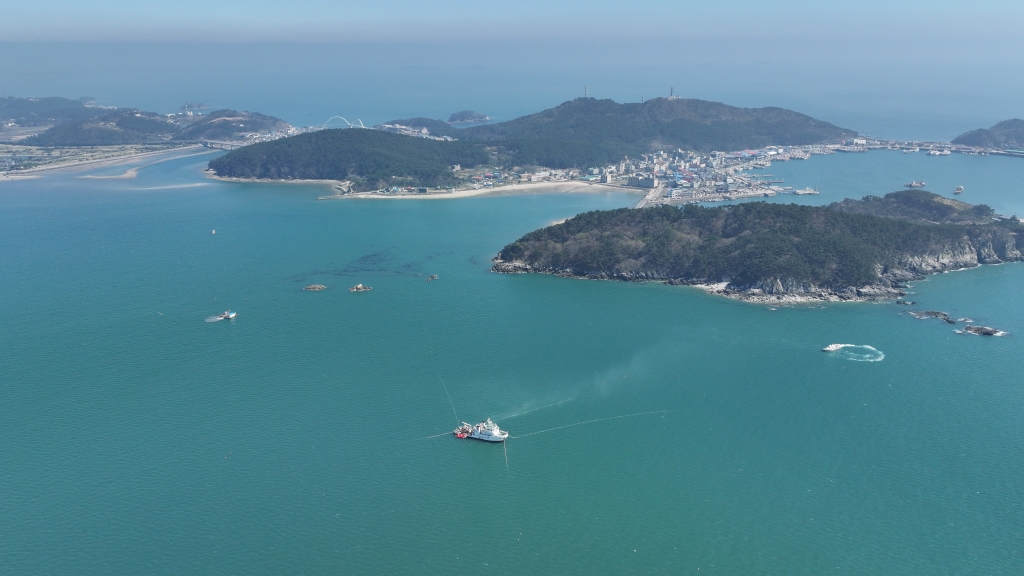
Now, archaeologists investigating the waters off Taean, South Korea, have uncovered new evidence of that lost voyage—and clues to another medieval vessel.
Announced on November 4, 2026, the discoveries offer a fascinating glimpse into a time when ships connected Korea’s provinces, supported its economy and linked the kingdom to international trading networks.
A Discovery Beneath Korea’s Western Sea
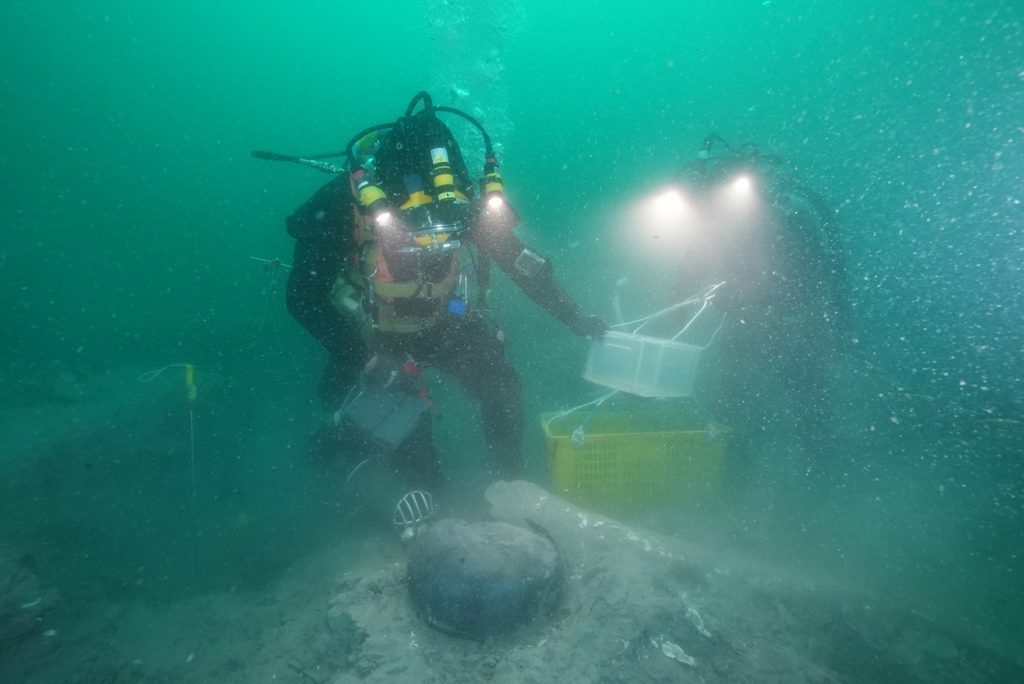
The National Research Institute of Maritime Heritage confirmed new findings from two sites known as Mado No. 5 and Mado No. 6.
At Mado No. 5, researchers recovered 54 artifacts, including stone anchor equipment, ropes, rice-straw sacks and a bronze vessel.
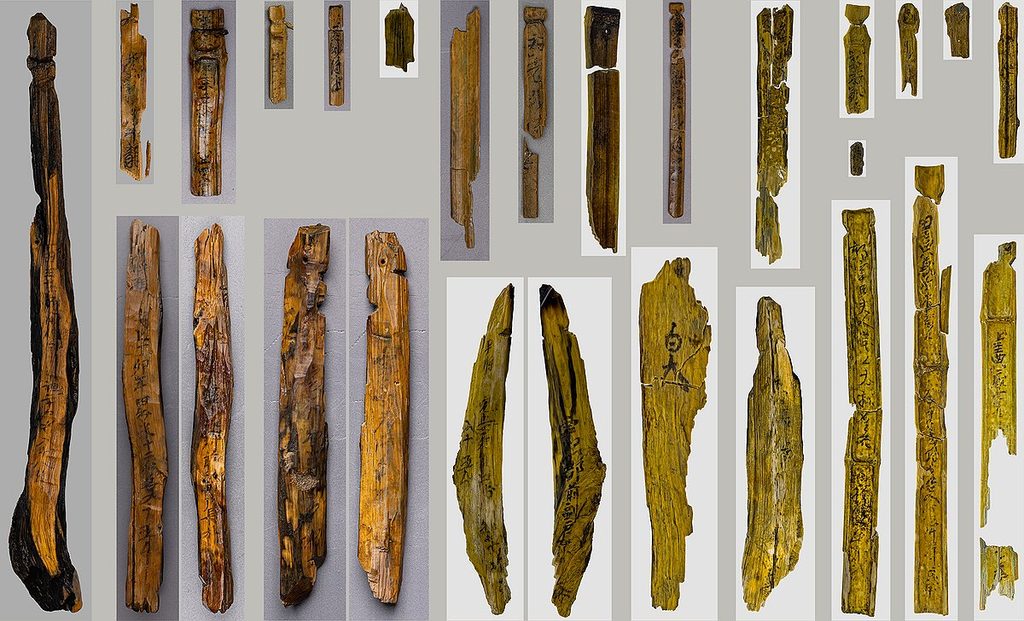
Among the most remarkable discoveries were 26 wooden cargo tags.
These small pieces of wood recorded information about shipments, including quantities of grain and their intended recipients. Much like shipping labels today, they helped identify and organize goods moving across the country.
Researchers believe Mado No. 5 was transporting cargo from southwestern Korea toward Gaegyeong in the spring of 1208 when it sank, possibly during severe weather.
At a nearby site, artifacts and additional wooden tags provided evidence of another ship, Mado No. 6, associated with cargo originating in the Gyeongsang region.
Its hull has not yet been located, making the site an important subject for further investigation.
What Was Goryeo Like 800 Years Ago?
The Goryeo Dynasty ruled Korea from 918 to 1392, long before the Joseon Dynasty and the establishment of modern Korea.
Its name eventually became the origin of the English word Korea.
Around 1208, Goryeo was a kingdom with a sophisticated administrative system, Buddhist traditions, skilled craftspeople and active commercial networks.
It was especially celebrated for its elegant green-glazed celadon ceramics, metalwork and Buddhist cultural achievements.
But everyday life also depended on something less glamorous: moving food and supplies efficiently.
The Sea Was Medieval Korea’s Highway
Mountains cover much of the Korean Peninsula. Before railways and modern roads, transporting large quantities of grain over long distances was difficult.
Waterways offered a practical alternative.
Under Goryeo’s government grain-transport system, known as joun, agricultural taxes and other supplies were collected from regional areas and transported toward the capital by ship.
The Mado discoveries provide physical evidence of how this system operated.
The wooden tags are particularly valuable because they reveal details that written histories alone cannot fully explain: where shipments originated, what they contained and who was involved.
The sea was not simply a route for merchants. It was also essential to keeping the kingdom’s government and capital supplied.
What Did Korea Trade With Other Countries?
Goryeo’s maritime economy extended beyond domestic transport.
One of its major international gateways was Byeongnando, a trading port near Gaegyeong at the mouth of the Yeseong River.
Merchants arrived from neighboring regions, exchanging Korean products for foreign goods.
China’s Song Dynasty was a major trading partner. Goryeo exported products such as ginseng, paper, writing brushes, ink, metals and lacquerware, while importing silk, books, medicinal materials and luxury goods.
Japan also participated in regional exchanges, supplying products such as sulfur and mercury and receiving goods including food, ginseng and books.
Northern neighboring peoples, including the Khitan and Jurchen, exchanged materials and resources through overland and regional trading networks.
Historical records also describe visits by Arab merchants during the 11th century, bringing goods such as fragrances, coral and mercury.
These connections show that Goryeo was not an isolated kingdom.
However, the newly investigated Mado ships were involved in domestic cargo transport. There is no evidence that either was sailing directly to a foreign country.
Why These Shipwrecks Matter Today
For archaeologists, a shipwreck is more than a collection of old objects.
A cargo label can reveal an ancient supply chain. A ceramic vessel can suggest how people lived. A ship’s equipment can help researchers understand navigation and maritime technology.
The Mado discoveries bring an overlooked part of Korean history into focus: the workers, sailors and regional communities who kept the kingdom functioning.
Further underwater investigations are planned for 2027.
Almost eight centuries after these vessels disappeared beneath the waves, their surviving traces are helping tell the story of a Korea that was already connected by trade, technology and the sea.