An AI Voice Just Reached No. 2 on Korea’s Music Chart. Is This the Future of K-pop?
A song without a human vocalist has become one of South Korea’s biggest chart surprises, raising a question the music industry can no longer ignore: Does a singer need to be human?
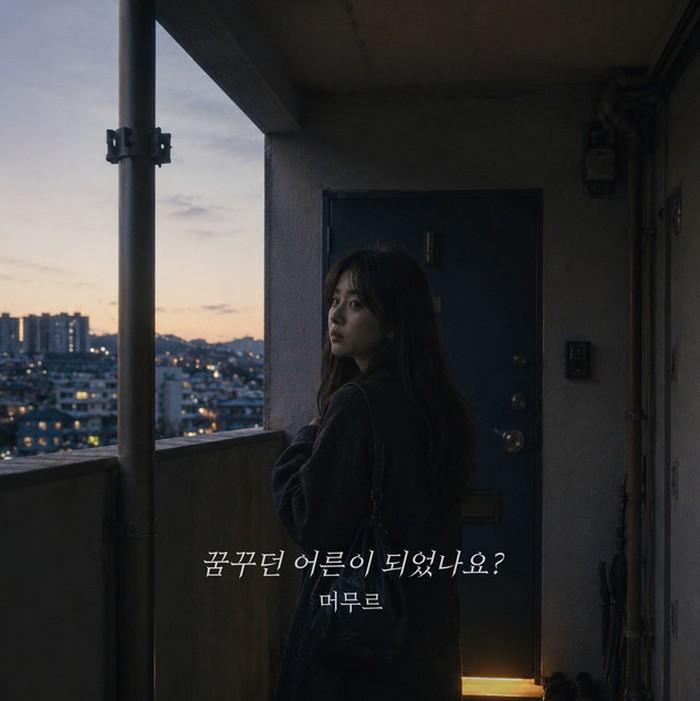
A little-known Korean music project called Meomuru has attracted national attention after its song, “Have You Become the Adult You Dreamed Of?”, climbed to No. 2 on Melon’s Top 100 chart.
The surprising part? The voice listeners hear was generated by artificial intelligence.
The song is not simply an AI experiment shared online. It has competed with established artists on one of South Korea’s major music streaming charts.
And its success is opening a new conversation about creativity, technology, and the future of popular music.
Listen to the Song That Sparked the Debate
Before deciding whether AI-generated music feels different from human performance, listen to Meomuru’s “Have You Become the Adult You Dreamed Of?” and judge for yourself.
Video: Meomuru / YouTube
A Song That Became Popular Before Its AI Story
Released in June 2026, Meomuru’s song did not immediately become a major hit.
Its popularity gradually grew through social media, particularly short-form videos, where the emotional lyrics resonated with listeners.
The song asks whether adulthood has turned out the way people imagined when they were younger.
That familiar feeling of disappointment, uncertainty, and nostalgia helped the track connect with audiences.
By late October, it had climbed to No. 2 on Melon’s Top 100.
For some listeners, the discovery that its vocals were AI-generated came only after they had already enjoyed the music.
Who Actually Created the Song?
Despite the artificial voice, humans played a central role in making the track.
According to reports, the music production duo Glorywave, consisting of Lee Yong-seok and Choi Sung-hyuk, developed the concept and wrote the lyrics.
They used Suno, a generative AI music platform, to create the melody, arrangement, and vocals, before editing, mixing, and mastering the final recording.
In other words, the song was not produced independently by a machine.
It was created through a combination of human creative decisions and AI-generated musical elements.
That distinction matters as the music industry debates who deserves recognition and ownership when artificial intelligence is involved.
AI Singers Are Not the Same as Virtual Idols
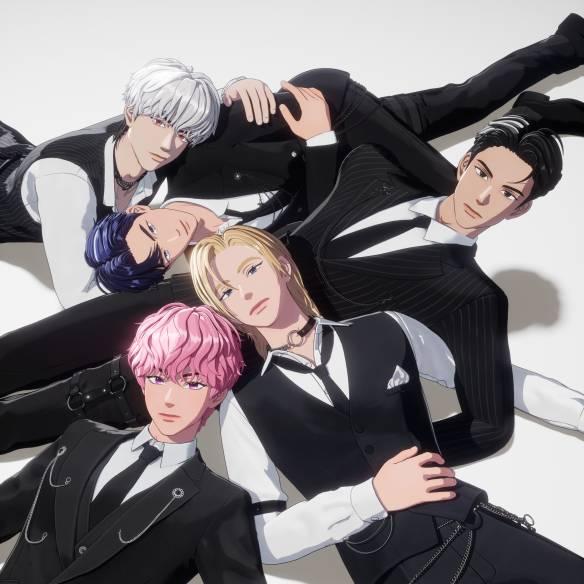
South Korea already has successful virtual performers, including the group PLAVE.
But there is an important difference.
PLAVE’s animated characters are performed and voiced by real people. Their virtual appearance does not mean their singing is AI-generated.
Meomuru represents a different approach: a musical recording featuring synthetic vocals.
Both belong to a growing digital entertainment landscape, but they raise different questions about performance, authorship, and technology.
When Anyone Can Create, What Happens to Creativity?
Meomuru’s success raises questions that extend far beyond the music industry.
AI can now help people create songs, illustrations, videos, articles, and even realistic human faces with remarkable speed.
For aspiring creators, this opens extraordinary opportunities. Ideas that once required expensive equipment, professional studios, or specialized technical skills can now become finished works in minutes.
But there is another side to this creative revolution.
As AI-generated content becomes easier and cheaper to produce, the internet may be flooded with more material than people can reasonably watch, read, or listen to.
Distinguishing human-made work from AI-generated content may become increasingly difficult. Questions about copyright, originality, misinformation, and fair compensation will only grow more urgent.
And when almost anyone can produce something that looks or sounds professional, technical quality alone may no longer be enough to make a creation valuable.
In an Ocean of AI Content, What Will Still Matter?
The real significance of Meomuru may not be that an artificial voice reached the top of a music chart.
It may be that listeners connected emotionally with a song without necessarily knowing how it was made.
That creates an uncomfortable but fascinating question.
If AI can produce music that moves us, images that amaze us, and stories that make us cry, how will we decide what deserves our attention?
Perhaps human experience, personal perspective, authenticity, and the intention behind a creation will become more important than ever.
Or perhaps audiences will care less about who created something and more about how it makes them feel.
Neither possibility is simple.
As the boundaries between human creativity and artificial intelligence become increasingly blurred, we may need to rethink not only how we create art, but also how we recognize its value.
When AI can create almost anything, will we still know what is truly worth our attention — and who, or what, deserves the credit?