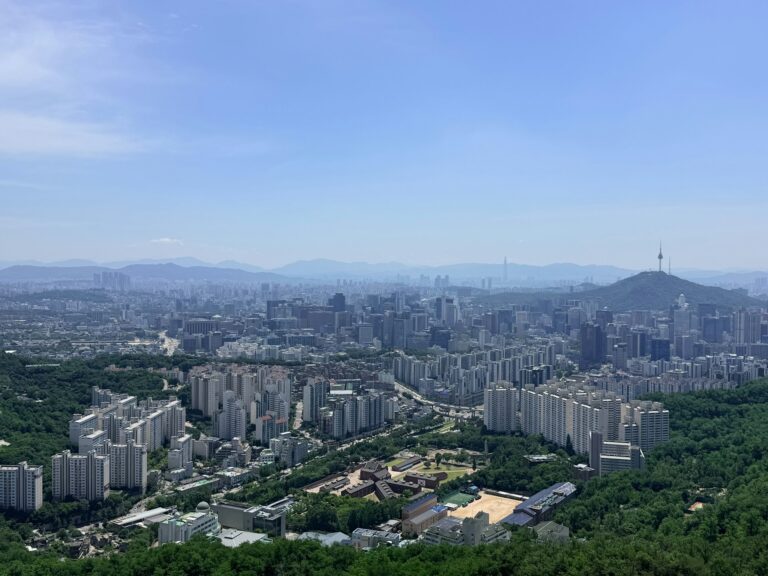
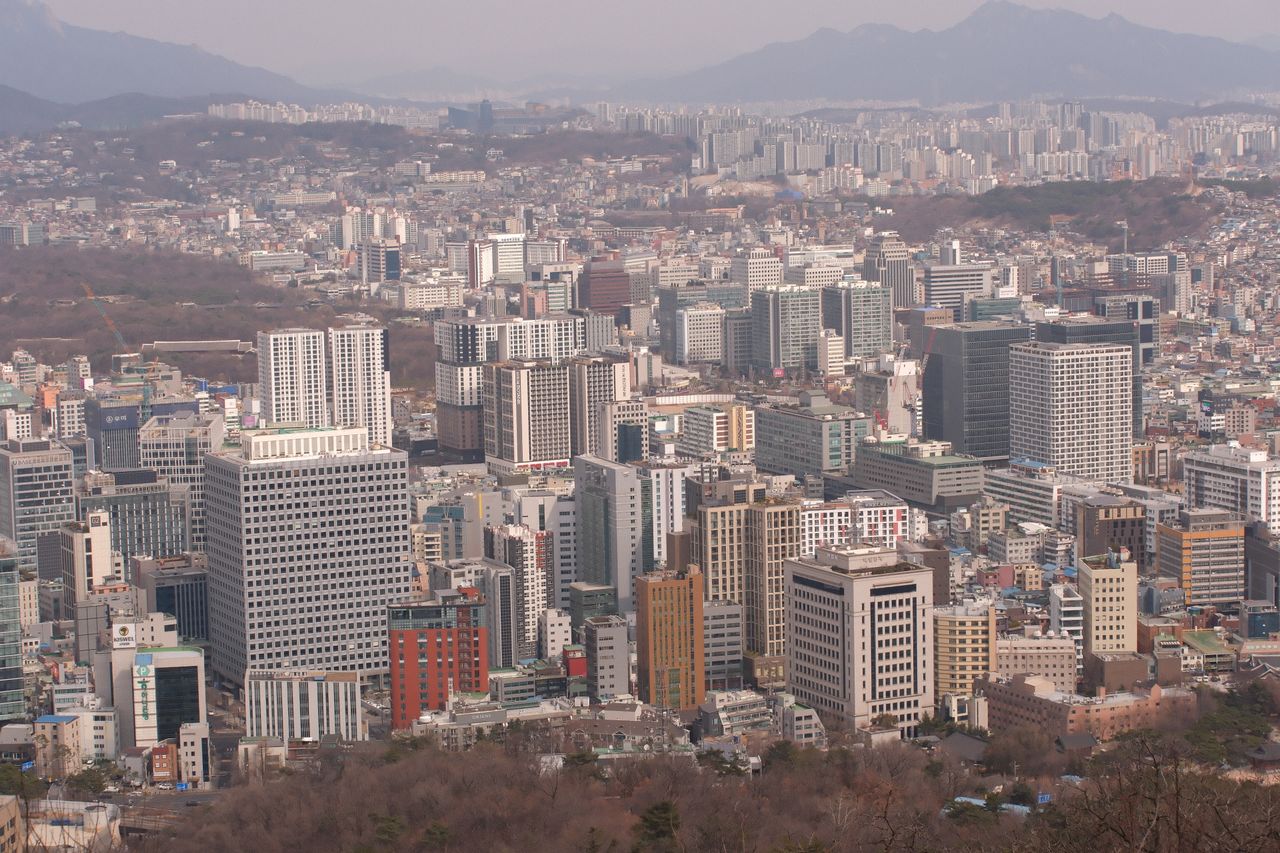
Korea and Indonesia in 2026 — Different Strengths, Complementary Opportunities
South Korea and Indonesia are often discussed together in business conversations, but they are fundamentally very different markets.
Korea is a highly developed economy known for technology, manufacturing, branding, and cultural influence.
Indonesia is a large and growing economy with a young population, abundant natural resources, expanding domestic demand, and long-term regional importance.
From a business perspective, the question is not which country is “better.”
A more useful question is:
What does each country do well, and where can those strengths connect?
At a Glance
| Indicator | South Korea | Indonesia |
|---|---|---|
| Population | 51.7 million | 287.2 million |
| GDP | USD 1.87 trillion | USD 1.45 trillion |
| GDP per capita | USD 36,227 | USD 5,060 |
| GDP growth | 1.0% | 5.1% |
| Average monthly wage* | approx. USD 2,695 | approx. USD 200 |
| Core strength | Technology, brands, execution | Scale, growth, resources, young market |
*Average monthly wage figures are approximate and converted into USD for easier comparison. They are useful as broad reference points, not as exact labor-cost equivalents across all industries.
South Korea remains the more advanced high-income economy, with much higher income per person and stronger industrial capabilities.
Indonesia, however, is already one of the world’s largest countries by population and continues to grow faster, supported by domestic demand, urbanization, and a much younger labor force.
Indonesia’s National Strengths
Indonesia’s most obvious advantage is scale.
A population of nearly 300 million gives the country a domestic market large enough to support growth across consumer industries, services, education, wellness, digital platforms, and lifestyle sectors.
Another major advantage is demographics.
Indonesia still has a relatively large working-age population, which means a broad labor pool and a long runway for consumer-market expansion.
Indonesia also holds a strategically important resource position.
It is one of the world’s most important producers of nickel, as well as a major supplier of other mineral resources linked to batteries, industrial production, and manufacturing supply chains.
From a business point of view, Indonesia offers:
- A large domestic market
- A relatively young consumer base
- Strong long-term growth potential
- Resource advantages
- Expanding urban demand
- Regional importance within Southeast Asia
In simple terms:
Indonesia offers room to grow.
Korea’s National Strengths

Korea’s strengths are very different.
Its major advantages come from technology, execution, branding, education, and global cultural influence.
Korea has built strong positions in sectors such as:
- Semiconductors
- Electronics
- Automotive
- Batteries
- Biotechnology
- Digital platforms
- Advanced manufacturing
Korea also has one of the strongest global cultural footprints in Asia.
K-pop, Korean dramas, beauty, fashion, food, and lifestyle content have helped make Korean brands more familiar in overseas markets before many companies even enter them directly.
This matters in business.
In markets like Indonesia, Korean products and services often arrive with pre-existing recognition through K-culture.
That gives Korea an advantage not just in manufacturing or technology, but also in brand entry, consumer awareness, and aspirational positioning.
From a business point of view, Korea offers:
- Technology and industrial know-how
- Global-quality execution
- Strong branding capability
- Content and cultural influence
- Structured education and training systems
- Mature operational experience
In simple terms:
Korea offers depth, know-how, and brand power.
Growth: Different Stages, Different Speeds
The two countries are growing in different ways.
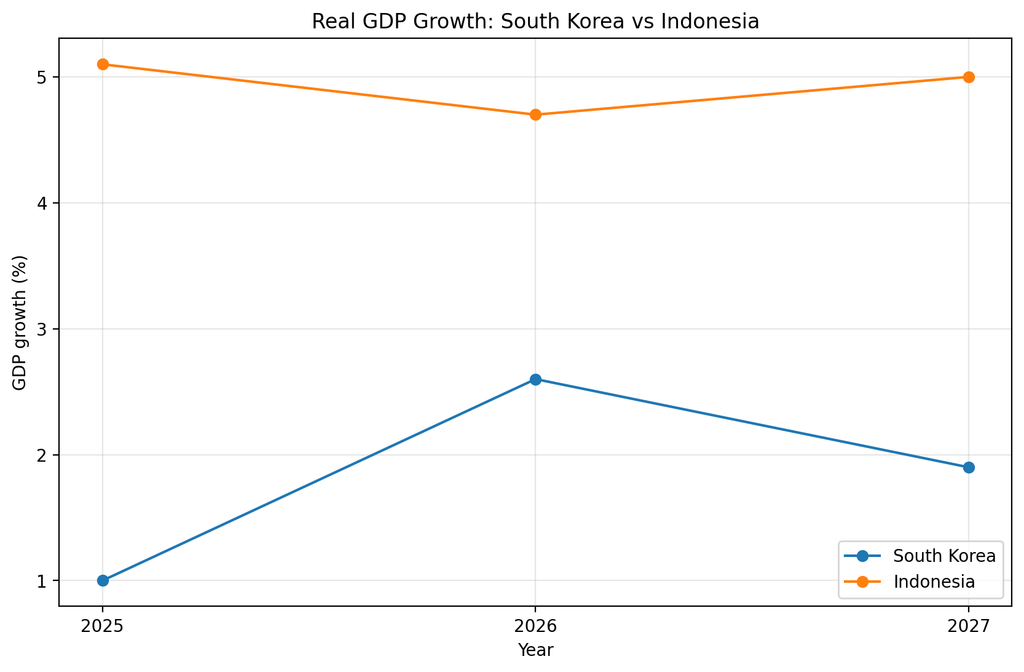
Korea is a mature economy, so growth is generally lower and more dependent on productivity, exports, and advanced industries.
Indonesia is still in a stronger expansion phase, supported by domestic consumption, investment, infrastructure development, and population scale.
For businesses, this means the opportunity profile is different.
- Korea is more competitive, more expensive, and more advanced
- Indonesia is more uneven, more complex, but often more open in long-term growth terms
This is why many businesses look at the two countries differently:
- Korea as a place for capability, quality, systems, and brand building
- Indonesia as a place for scale, growth, market expansion, and regional opportunity
Wages: Important, but Not the Whole Story
The wage gap between the two countries is large.
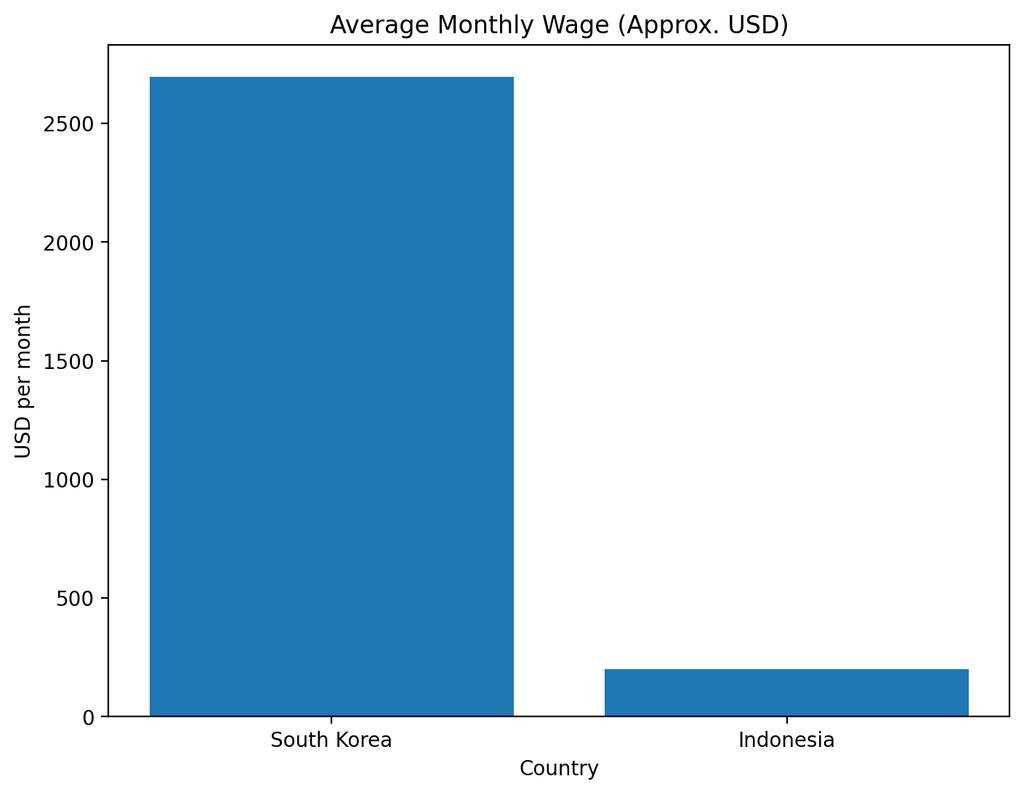
South Korea’s average monthly wage is roughly USD 2,695, while Indonesia’s average monthly wage is roughly USD 200.
That difference matters, but it should not be oversimplified.
A lower wage level does not automatically mean a business environment is easier or cheaper in practice.
Businesses still need to consider:
- Productivity
- Skill level
- Industry differences
- Management capacity
- Infrastructure
- Regulation
- Training needs
- Location differences within the country
So while labor cost is one factor, it should be seen as only part of the larger picture.
Cheap labor alone is not a strategy.
Major Cities: Different Business Maps
The business geography of Korea and Indonesia is also very different.
South Korea
Seoul
The center of finance, headquarters, media, startups, consumer brands, and cultural influence.
Incheon
An international logistics hub connected to one of Asia’s most important airports, with strengths in transport, trade, and bio-related industries.
Busan
Korea’s leading port city and a major center for shipping, trade, and industrial activity.
Korea is relatively compact, which makes inter-city business movement efficient.
Indonesia
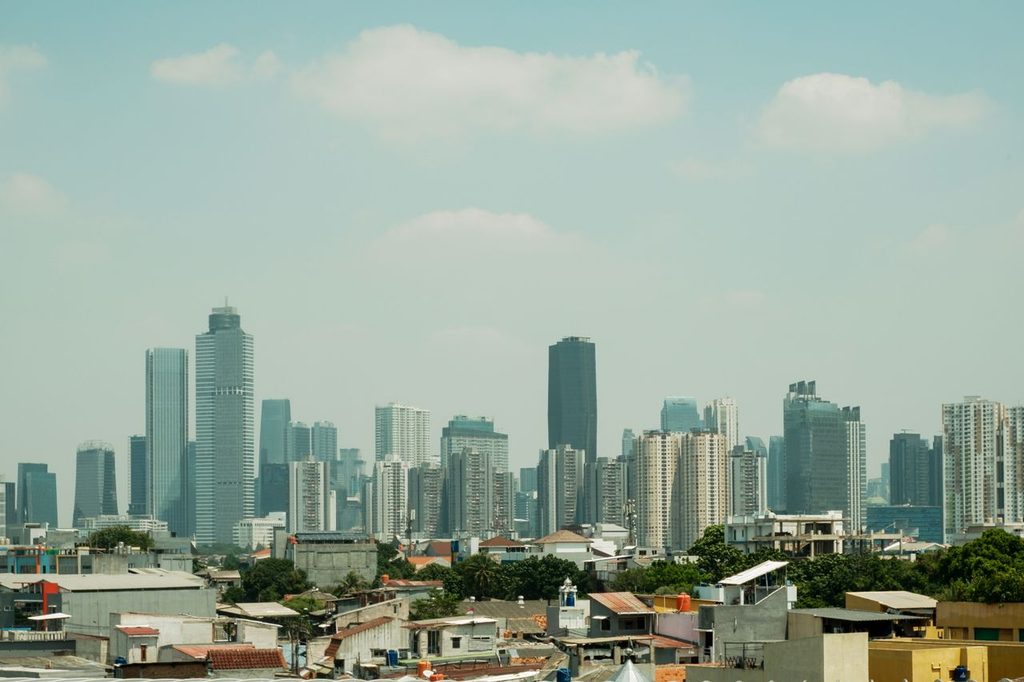
Jakarta
The country’s business center, with headquarters, finance, government, media, and a massive urban consumer market.
Surabaya
The main commercial center of East Java and an important city for trade, logistics, and manufacturing.
Bandung
Known for education, younger demographics, creative industries, and a large student and emerging-consumer base.
Bali
Although often associated with tourism, Bali also matters in wellness, lifestyle, hospitality, retreats, creators, and international communities.
Indonesia is one country, but it is not one single market.
A business model that works in Jakarta may not automatically work in Surabaya, Bandung, or Bali.
That is one of the biggest differences between Indonesia and Korea.
Where the Two Countries Can Connect
The most interesting opportunities may come not from comparing the two countries, but from combining their different strengths.
Korea can contribute:
- Technology
- Systems and process management
- Brand development
- Education and training models
- Content and marketing power
- Premium positioning
- Operational know-how
Indonesia can contribute:
- Market size
- Young consumers
- Local networks
- Growth momentum
- Resource strength
- Regional scale
- Cultural diversity
This is especially relevant in industries like:
- Fitness
- Wellness
- Beauty
- Education
- Lifestyle
- Consumer brands
- Events
- Content and creator ecosystems
For projects connected to STM, TCI, IDEA Asia, and FB, the real opportunity is not simply to move Korean ideas into Indonesia.
It is to identify:
which Korean strengths are relevant in Indonesia, and which Indonesian markets and people can connect back to Korea and the wider Southeast Asian region.
Key Takeaways
South Korea and Indonesia represent two very different business environments.
Indonesia’s strengths are scale, growth, demographics, and resources.
Korea’s strengths are technology, branding, execution, and cultural influence.
Neither country should be understood through a simple “developed vs. developing” lens.
From a business perspective, the more useful view is this:
Korea and Indonesia are different in ways that can be complementary.
That difference itself may be where the best opportunities begin.
Information Checked
October 2026
Main Reference Sources
- World Bank
- OECD
- BPS-Statistics Indonesia
- Statistics Korea / Korean statistical indicators
- USGS
- Korean culture-industry statistics