
Getting to Know Indonesia – Indonesia at a Glance
Indonesia is one of the largest and most diverse countries in the world.
Located between the Indian and Pacific Oceans, it stretches across thousands of islands and is home to more than 280 million people.
For Koreans, Indonesia is often associated first with Jakarta or Bali. But those places represent only a small part of a country whose geography, population, religions, ethnic groups, languages, and economy vary significantly from region to region.
Here are some of the basic facts that help explain the scale of Indonesia.
A Vast Archipelago
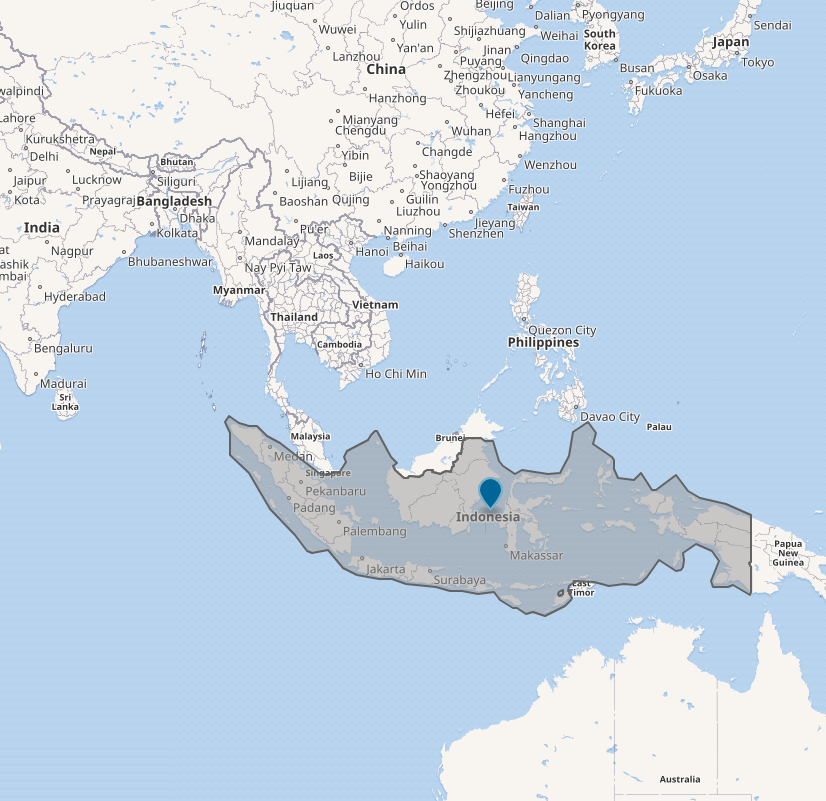
Indonesia is the world’s largest archipelagic country.
Statistics Indonesia lists more than 17,000 islands across the country, with a land area of roughly 1.9 million square kilometers.
South Korea covers just over 100,000 square kilometers.
That makes Indonesia roughly 19 times larger than South Korea by land area.
Its geography stretches from Sumatra in the west to Papua in the east, crossing several time zones and thousands of kilometers.
This geographic scale is one of the main reasons Indonesia cannot easily be understood as a single uniform market or culture.
A Population More Than Five Times Larger Than South Korea
Indonesia has more than 280 million people, making it one of the most populous countries in the world.
South Korea has a population of just over 50 million.
In simple terms, Indonesia has roughly five and a half times the population of South Korea.
The population is also distributed unevenly.
Java, despite representing only a relatively small share of Indonesia’s total land area, remains the country’s main population and economic center.
That concentration makes Jakarta and the wider Java region extremely important, while also making them very different from many other parts of Indonesia.
Hundreds of Ethnic Groups and Languages
Indonesia is highly diverse ethnically and linguistically.
The country is home to hundreds of ethnic groups, including Javanese, Sundanese, Malay, Batak, Madurese, Balinese, Minangkabau, Bugis, Papuan groups, and many others.
Bahasa Indonesia is the national language and provides a common means of communication across the country.
At the same time, hundreds of regional languages remain in daily use.
This means that national identity exists alongside strong local identities shaped by ethnicity, language, geography, religion, and regional history.
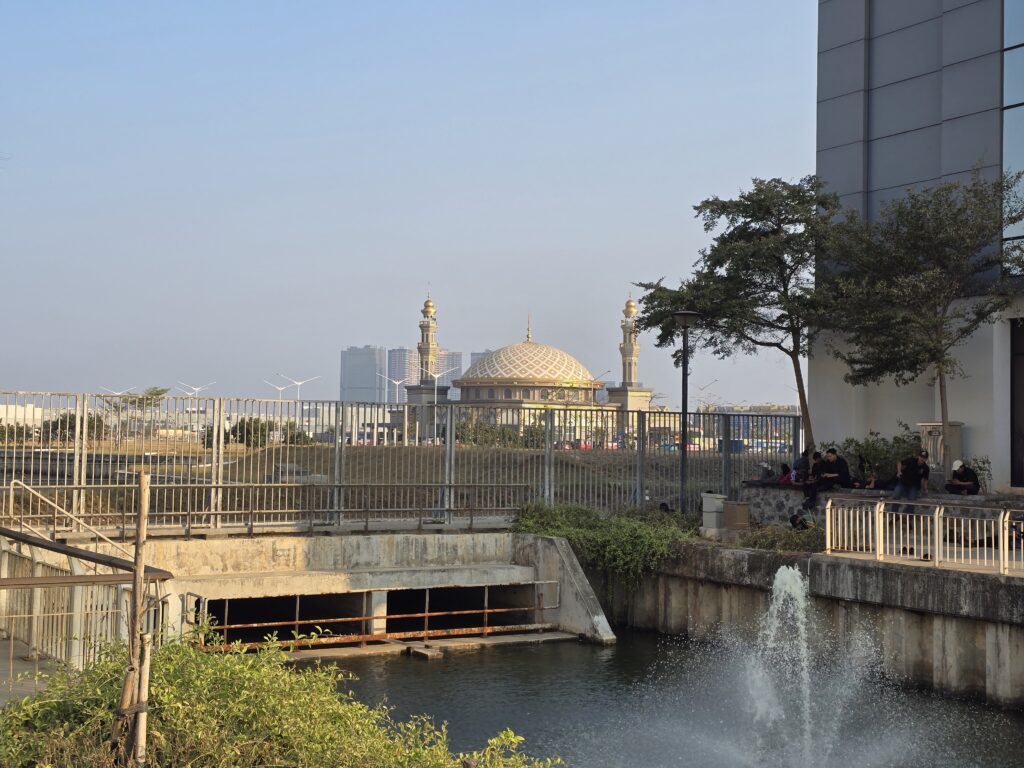
The World’s Largest Muslim-Majority Population
Around 87% of Indonesians identify as Muslim, according to Indonesia’s government information portal. Protestant Christians, Catholics, Hindus, Buddhists and Confucians also form important religious communities.
Indonesia is therefore the country with the largest Muslim population in the world.
Religious diversity also varies significantly by region.
Bali, for example, is predominantly Hindu, while several regions in eastern Indonesia have large Christian populations.
Religion can influence daily schedules, food, clothing, holidays, social customs and business practices, making it an important part of understanding everyday life in Indonesia.

Jakarta and Nusantara
Jakarta remains Indonesia’s main political, commercial and financial center.
At the same time, the Indonesian government has been developing Nusantara in East Kalimantan as the country’s new capital.
The capital relocation project is one of the largest infrastructure and urban-development projects in the country and reflects wider efforts to reduce Indonesia’s long-standing concentration of population and economic activity on Java.
For visitors and businesses, however, Jakarta continues to function as the country’s dominant metropolitan and commercial hub.
A Major Trillion-Dollar Economy
Indonesia’s economy continued to grow in 2025.
Statistics Indonesia reported GDP at current prices of IDR 23,821.1 trillion and economic growth of 5.11% for the year. GDP per capita reached approximately US$5,083.
Indonesia is already a trillion-dollar economy and the largest economy in Southeast Asia.
Its economic scale is driven by a combination of domestic consumption, manufacturing, natural resources, services, infrastructure investment and a very large internal market.
Compared with South Korea, Indonesia has a much larger population but significantly lower income per person.
That difference is one of the key features shaping consumption, urban development, infrastructure, services and future growth.
Tropical Climate, Regional Differences
Indonesia lies around the equator and has a tropical climate.
Temperatures remain relatively high throughout the year, while rainfall patterns are generally divided into wet and dry seasons.
However, climate conditions differ significantly across the country because of Indonesia’s size, mountainous terrain and island geography.
Jakarta, Bali, Sumatra, Sulawesi and Papua can therefore have noticeably different weather patterns despite all being part of the same country.
Indonesia at a Glance
- Official name: Republic of Indonesia
- Population: More than 280 million
- Land area: About 1.9 million km²
- Compared with South Korea: Roughly 5.5 times the population and 19 times the land area
- Number of islands: More than 17,000
- National language: Bahasa Indonesia
- Currency: Indonesian Rupiah (IDR)
- Major religion: Islam, about 87% of the population
- Largest population center: Java
- Main commercial center: Jakarta
- Future capital: Nusantara, East Kalimantan
- 2025 economic growth: 5.11%
- 2025 GDP per capita: About US$5,083
Key Points
Indonesia’s scale is the first thing to understand.
It has more than five times South Korea’s population, almost 19 times its land area, thousands of islands, hundreds of ethnic groups and languages, and large regional differences in religion, culture and economic development.
Jakarta and Bali may be the most familiar names internationally, but neither represents Indonesia as a whole.
Understanding Indonesia requires looking beyond a single city, island or cultural image.