Proud of Indonesia, Worried About the Future: What Does the Young Generation Really Want?
From student protests in Jakarta to a weakening rupiah, Indonesia’s young generation is asking a difficult question: What will their future look like?
Loving a Country, Questioning Its Future
Spend time in Indonesia, and one thing becomes clear: national pride is part of everyday life.
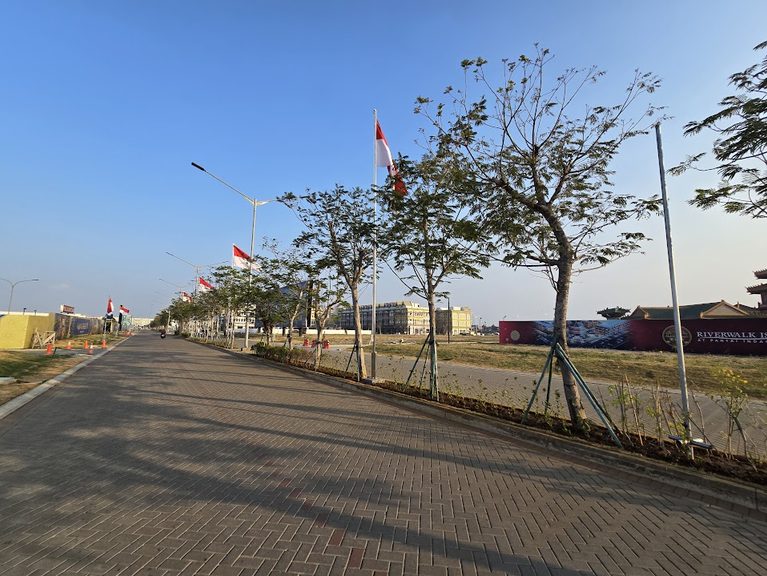
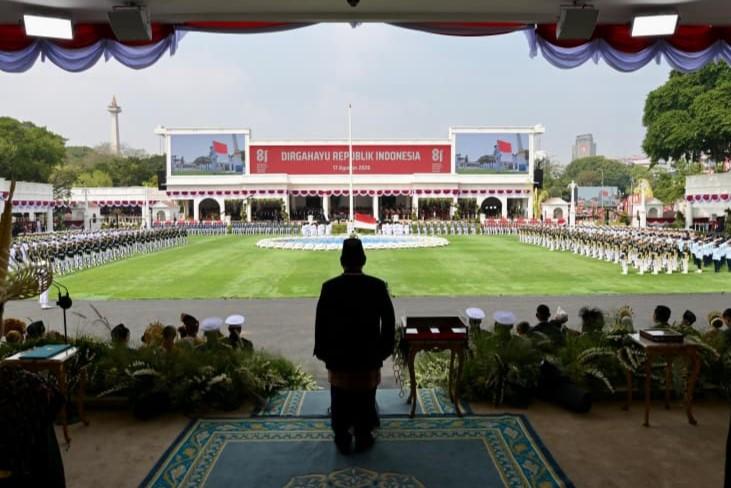
Red-and-white flags, celebrations of Independence Day, passionate support for national sports teams, and conversations about Indonesia’s enormous potential all reflect a strong sense of identity.
But loving your country does not mean agreeing with everything its government does.
For many young Indonesians, pride in their homeland can exist alongside concerns about employment, living costs, political accountability, and the future.
And recently, those concerns have become increasingly visible.
Why Are Young Indonesians Taking to the Streets?
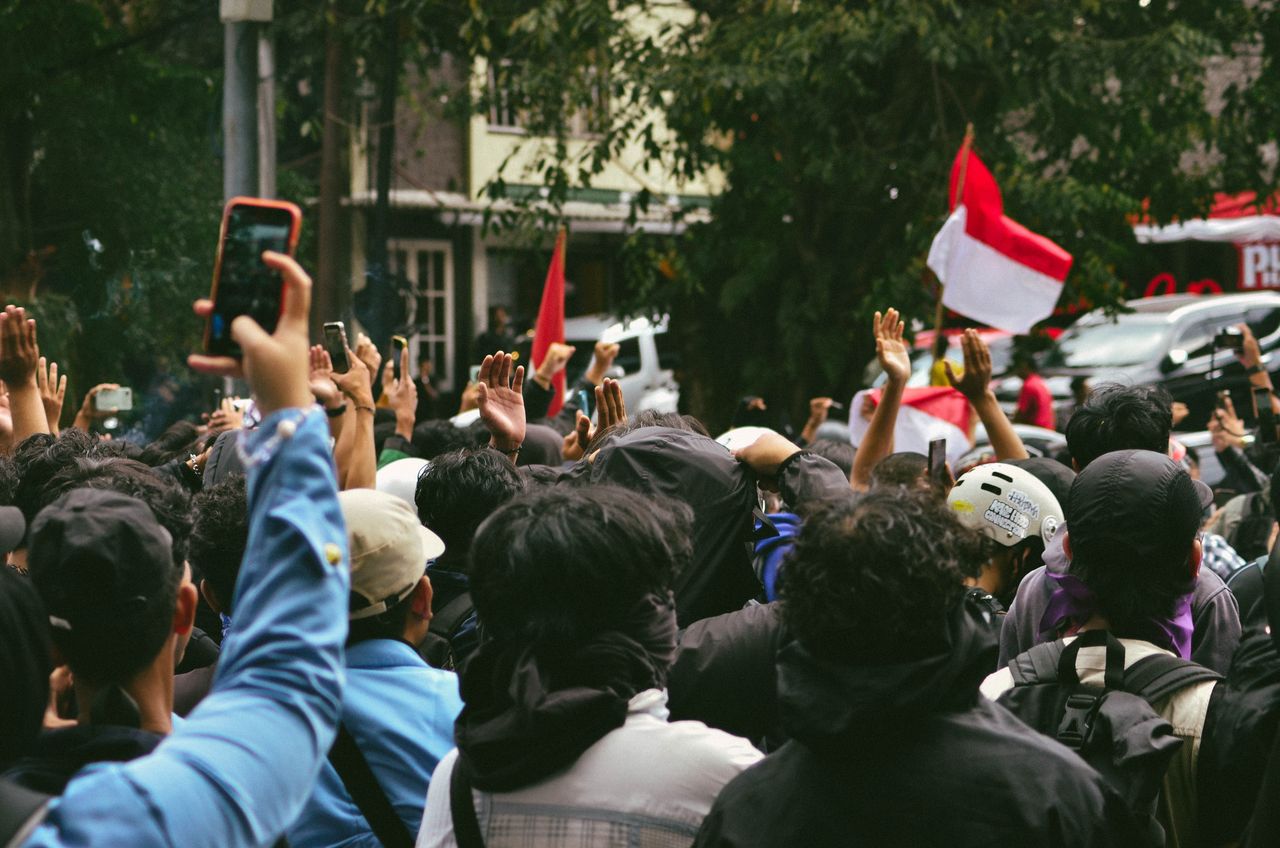
On October 20, 2026, demonstrations in Jakarta marked two years of President Prabowo Subianto’s administration.
Authorities deployed more than 9,000 police officers in anticipation of the protests. Student groups, including representatives from the University of Indonesia, raised demands concerning government policies and accountability.
The demonstrations followed earlier periods of unrest, including protests over economic inequality and political decisions.
But the streets tell only part of the story.
Not every young Indonesian supports the protests, and not every critic of the government shares the same political views.
Still, the demonstrations raise a broader question: What happens when a generation feels uncertain about the opportunities waiting for it?

When the Rupiah Becomes a Daily Concern
Economic uncertainty is not always easy to understand through headlines.
Sometimes, it becomes more meaningful when people think about their savings, future education, imported products, or the cost of starting a business.
In October 2026, the Indonesian rupiah came under renewed pressure, weakening to around 18,000 per US dollar.
Part of that pressure came from international financial conditions, including the strong dollar and uncertainty in global markets.
Domestic investor concerns also played a role. A warning from global index provider MSCI about Indonesia’s stock-market classification triggered significant selling and renewed questions about market transparency.
A weaker rupiah does not automatically mean every product becomes more expensive overnight. However, it can increase the local-currency cost of imported goods and create uncertainty for households and businesses.
For young people trying to plan their futures, that uncertainty matters.
Gold, Dollars, and the Search for Security
When people become worried about the value of their currency, some look for other ways to protect their savings.
Gold has long been familiar to Indonesian households, both as jewelry and as a store of value. US dollars can also appeal to people concerned about exchange-rate movements.
Yet neither is a guaranteed solution. Gold prices fluctuate, currencies can move in both directions, and not everyone has enough savings to diversify.
The more important question may be why financial security feels difficult to achieve in the first place.
For someone hoping to buy a home, support a family, or build a career, stability can matter more than impressive economic headlines.

What Does a Better Indonesia Look Like?
Indonesia remains a country with extraordinary strengths: a large young population, rich cultural diversity, natural resources, growing cities, and ambitious entrepreneurs.
There are also reasons for optimism. Bank Indonesia’s September 2026 consumer survey still showed overall consumer confidence in positive territory, even as financial markets faced turbulence.
This reminds us that Indonesia’s future cannot be described simply as either hopeful or hopeless.
Some young people may want better-paying jobs. Others may prioritize affordable education, fair opportunities, reliable public institutions, or the freedom to express their opinions.
Their priorities are not necessarily identical, but they share a connection to the country’s future.
Perhaps the most important message is this:
Wanting Indonesia to become better does not mean loving Indonesia any less.
And for a generation that will inherit the country’s future, patriotism may be expressed not only through pride in what Indonesia is today, but also through the courage to imagine what it could become tomorrow.