Why Korean Culture Connects With Young Indonesians
Korean culture has become a familiar part of everyday life for many young Indonesians. What began with growing interest in K-pop and Korean television dramas has expanded into food, beauty, fashion, language learning, and lifestyle choices.
This development reflects more than the popularity of individual entertainers. It shows how entertainment can influence consumer behavior and create opportunities for cultural and commercial exchange between two countries.
Beyond K-Pop and Korean Dramas
Music and television remain important gateways to Korean culture.
The Korea Creative Content Agency’s 2025 report on Korean content consumption in Indonesia examines K-pop performances, Korean dramas, films, streaming platforms, and local media distribution. The report highlights the increasingly diverse ways Indonesian audiences encounter Korean entertainment. Welcon
Digital platforms have also made cultural discovery easier. Short videos, fan communities, and social media discussions allow audiences to explore Korean trends without relying exclusively on traditional television or entertainment channels.
For younger consumers, discovering Korean culture is often an interactive experience rather than simply watching content.
From Entertainment to Everyday Consumption
One of the most interesting developments is the connection between entertainment and everyday purchasing decisions.
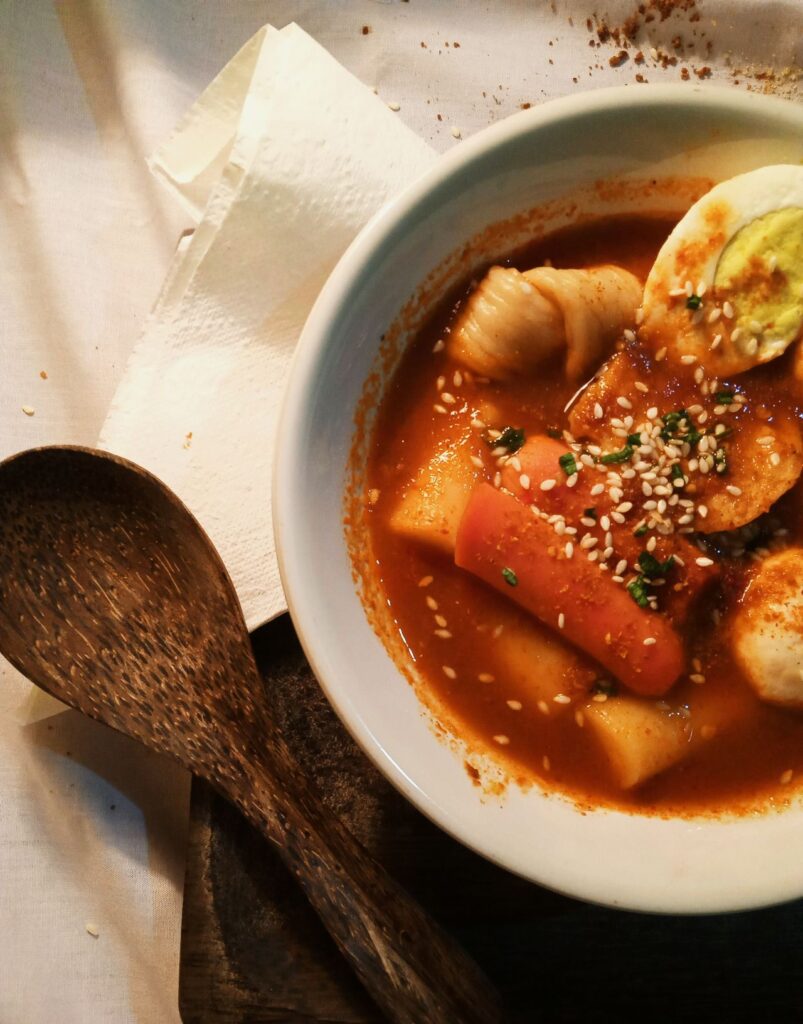
Korean food provides a clear example. Dishes such as tteokbokki, ramyeon, and Korean fried chicken have become recognizable beyond Korean entertainment audiences.
A 2025 academic study conducted in Surabaya examined how the Korean Wave influences consumers’ knowledge, interests, lifestyles, and purchasing decisions regarding Korean food products. Permana
Beauty and fashion represent another area of cultural influence. Korean skincare routines, makeup styles, and fashion trends circulate through online content, encouraging consumers to explore products associated with Korean lifestyles.
However, popularity does not automatically guarantee commercial success. Price, product accessibility, local preferences, and consumer trust remain important factors.
Language Learning Creates a Deeper Connection
Interest in Korean culture can also encourage language learning.
The Korean Cultural Center Indonesia has organized programs covering Korean language and cultural experiences, including K-pop activities and educational events.
Its 2025 programming included a K-pop academy and activities celebrating Hangeul Day, demonstrating how cultural interest can develop into structured learning opportunities. Korean Culture
Learning Korean offers audiences another way to connect with music, entertainment, travel, and potential educational opportunities.
What This Means for Korean Brands
For Korean businesses entering Indonesia, cultural familiarity can provide an advantage, but it should not replace market research.
Indonesian consumers have their own expectations regarding pricing, communication, product suitability, and customer experience.
Successful localization requires understanding those expectations rather than assuming that Korean branding alone will attract customers.
Local creators, community engagement, and culturally relevant communication can help brands establish stronger relationships with Indonesian audiences.
The broader lesson is that Korean culture is no longer limited to entertainment consumption.
It is becoming part of a wider relationship connecting culture, education, lifestyle, and business between Korea and Indonesia.