
Korea and Indonesia – Two Independence Days, Two Days Apart
August is an important month in both South Korea and Indonesia.
South Korea marks Liberation Day on August 15.
Indonesia celebrates Independence Day on August 17.
The dates are only two days apart.
More strikingly, both turning points came in the same year: 1945.
At first glance, the two anniversaries may look remarkably similar.
But the historical paths behind them were very different.
Korea: Liberation on August 15, 1945
Korea had been under Japanese colonial rule from 1910 until 1945.
On August 15, 1945, Japan’s surrender in World War II brought an end to 35 years of colonial rule, and Koreans marked the restoration of national sovereignty. Today, August 15 is observed as Gwangbokjeol, or Liberation Day.
However, liberation did not immediately create the Republic of Korea in its current form.
After 1945, the Korean Peninsula was divided along the 38th parallel, with Soviet forces in the north and U.S. forces in the south.
The government of the Republic of Korea was formally established three years later, on August 15, 1948.
This means August 15 carries more than one historical meaning in South Korea.
It marks liberation from Japanese colonial rule in 1945 and is also connected to the establishment of the Republic of Korea government in 1948.
Indonesia: Independence Proclaimed on August 17, 1945
Indonesia followed a different path.
For centuries, much of the Indonesian archipelago had been under Dutch colonial control.
During World War II, Japan occupied the Dutch East Indies from 1942 until 1945.
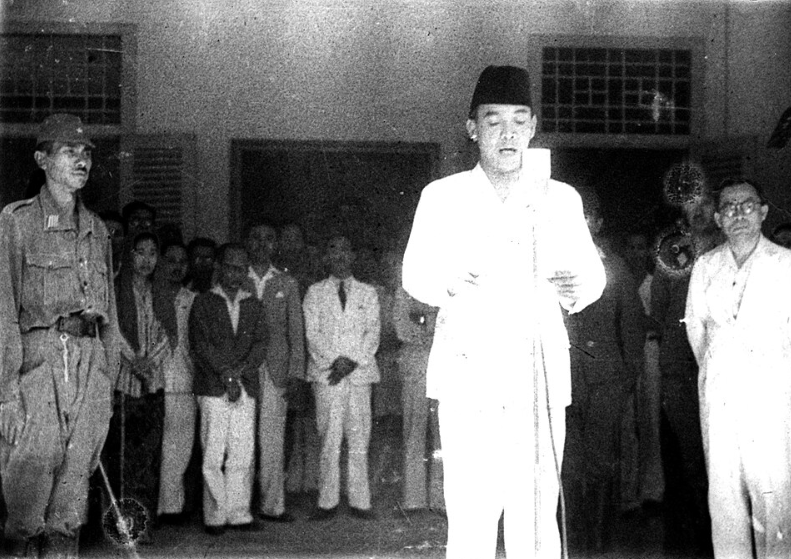
After Japan’s surrender, Indonesian nationalist leaders Sukarno and Mohammad Hatta proclaimed independence on August 17, 1945.
That date remains Indonesia’s national Independence Day.
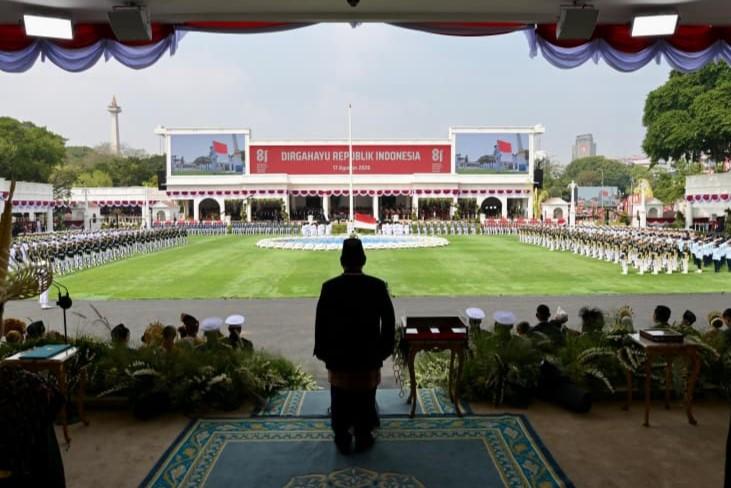
In 2026, Indonesia officially marked the 81st anniversary of independence, with state ceremonies at the Merdeka Palace in Jakarta centered on the proclamation of 1945.
The Same Year, But Not the Same Process
The most important difference is that Indonesia’s declaration of independence did not immediately end the conflict.
The Netherlands attempted to restore colonial authority after World War II.
Indonesia then entered several years of armed conflict and negotiations.
The struggle continued until the Netherlands formally transferred sovereignty in December 1949.
South Korea’s situation was different.
Korea was liberated from Japanese colonial rule in 1945, but the peninsula was divided soon afterward and separate governments emerged in the north and south.
The Republic of Korea government was formed in 1948, while political division on the peninsula remained unresolved.
So although both countries experienced historic turning points in August 1945, neither entered a simple period of stability immediately afterward.
August 15 and August 17
The dates themselves create one of the most interesting historical connections between the two countries.
- August 15, 1945 — Korea liberated from Japanese colonial rule
- August 17, 1945 — Indonesia declares independence
- Only two days apart
- Both events came immediately after Japan’s surrender in World War II
The similarity in timing reflects the dramatic changes taking place across Asia at the end of the war.
But the political consequences were different.
Korea moved from colonial rule into division and the formation of separate governments.
Indonesia moved from Japanese occupation into a four-year struggle against Dutch attempts to restore colonial control.
Two Different Independence Traditions
The way the two countries commemorate these dates also reflects their different histories.
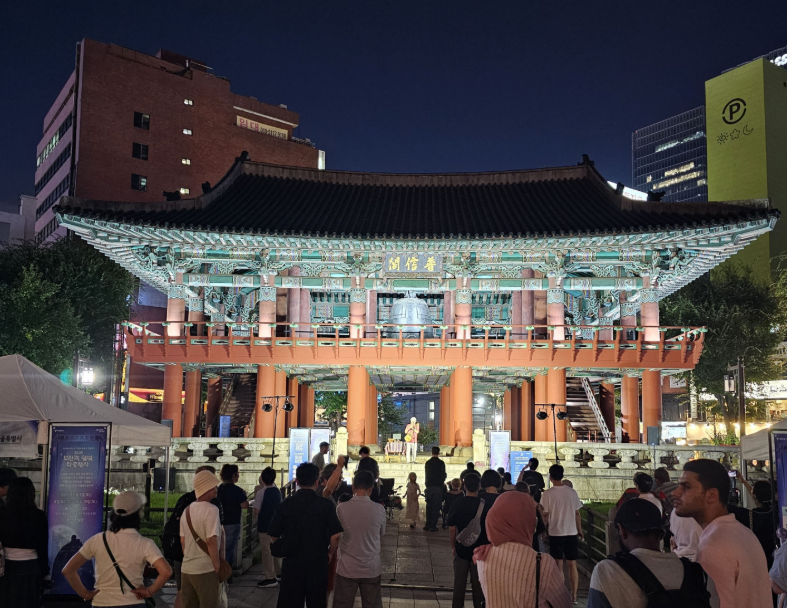
In South Korea, Gwangbokjeol commemorates liberation from Japanese colonial rule.
Official ceremonies honor independence activists and the broader independence movement that continued throughout the colonial period.
In Indonesia, August 17 centers on the proclamation itself.
The national ceremony includes the reading of the proclamation text, the raising and lowering of the red-and-white flag, and public celebrations across the country. In 2026, the Indonesian government organized ceremonies, cultural events, public festivities and other programs for the 81st anniversary.
A Shared Year in Asian History
The year 1945 was a major turning point across Asia.
Japan’s defeat ended its wartime empire and created political openings throughout the region.
Korea and Indonesia both experienced decisive moments within two days of each other.
But the similarity of the dates should not hide the differences in their histories.
Korea’s August 15 represents liberation from colonial rule.
Indonesia’s August 17 represents a declaration of independence that was followed by several more years of conflict before sovereignty was internationally consolidated.
The dates are close.
The historical journeys were not.
Key Points
- South Korea: August 15, 1945 — liberation from Japanese colonial rule
- Indonesia: August 17, 1945 — proclamation of independence
- Difference between the dates: only two days
- Republic of Korea government established: August 15, 1948
- Indonesian sovereignty formally transferred by the Netherlands: December 1949
- 2026: both countries marked the 81st anniversary of their respective 1945 events
- Main distinction: Korea commemorates liberation, while Indonesia commemorates the declaration of independence