Seoul vs Jakarta: What Do People Really Eat for Breakfast?
Triangle kimbap or nasi uduk? Coffee on the go or chicken porridge by the roadside? A morning meal reveals more about a city than you might expect.
7:30 AM: Two Cities, Two Breakfasts
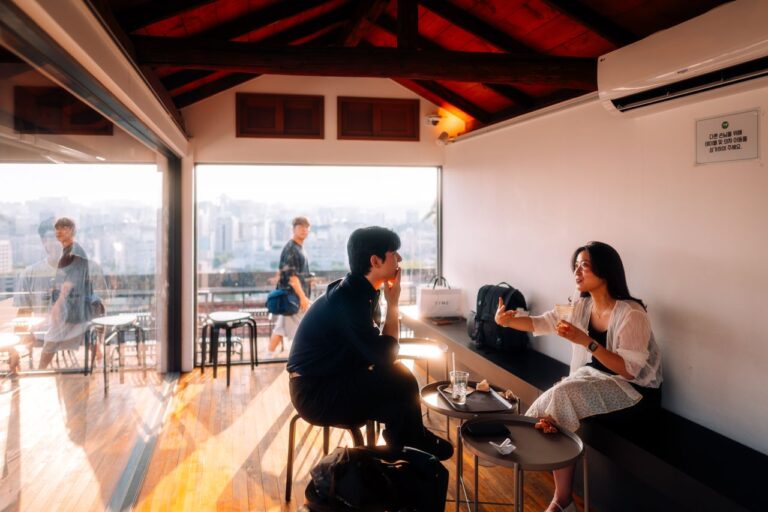
It’s 7:30 in the morning in Seoul.
A commuter walks out of a subway station, stops at a convenience store, and buys a triangle kimbap and a coffee. Breakfast is finished in minutes—or perhaps saved for later at the office.
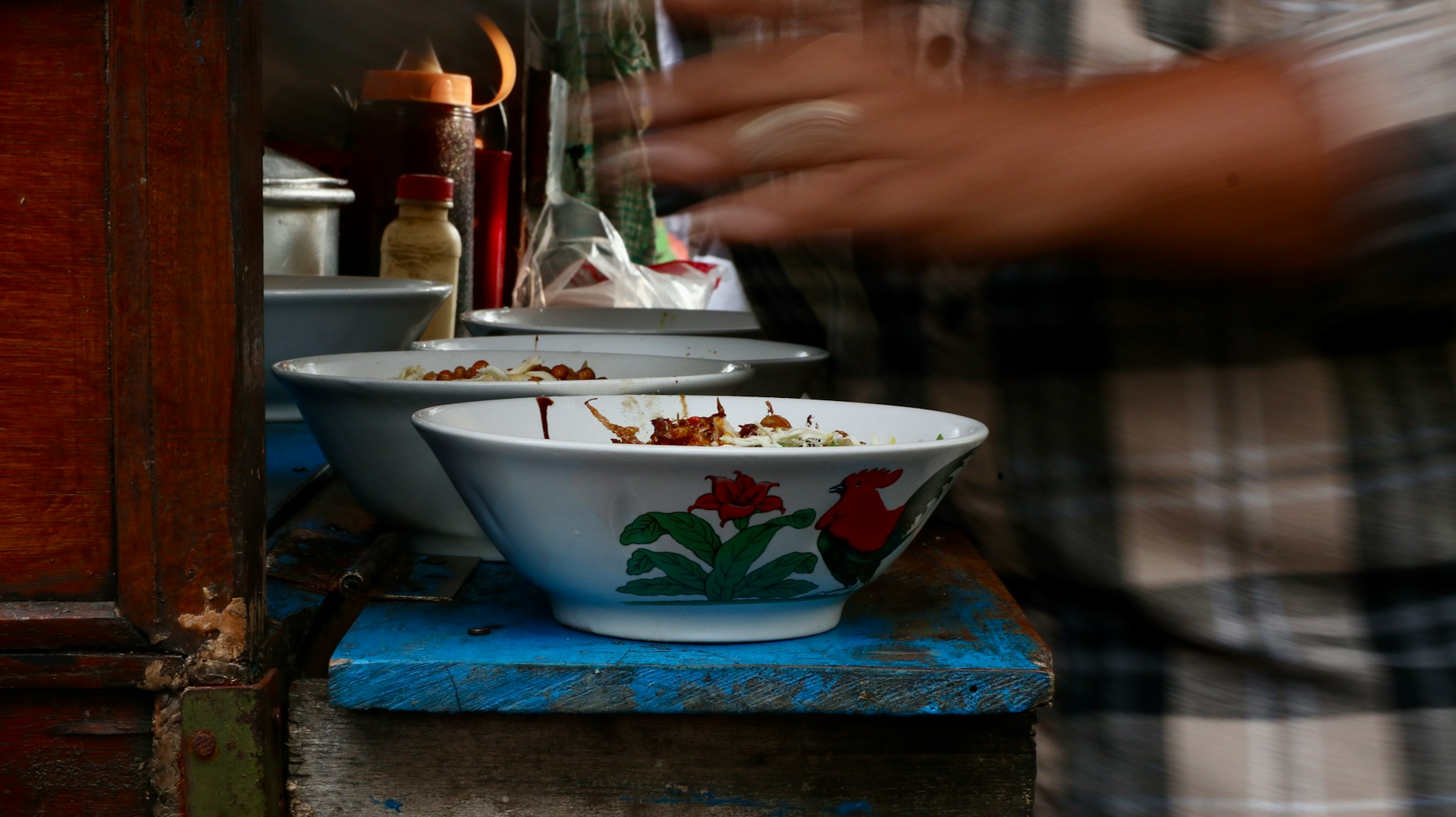
At the same time in Jakarta, someone stops at a neighborhood food stall for nasi uduk, fragrant coconut rice served with fried shallots, egg, tempeh, and spicy sambal.
Nearby, another customer is waiting for a warm bowl of bubur ayam, Indonesian chicken porridge.
Different menus. Different routines. But the same familiar problem: How do you eat breakfast when you’re already running late?
1. What’s Actually on the Breakfast Menu?
Korean breakfast has traditionally included rice, soup, kimchi, and side dishes. A bowl of rice with doenjang-guk or a simple homemade meal is still a familiar way to start the day.
But in a busy city like Seoul, convenience matters.
A sandwich, triangle kimbap, bakery bread, a boiled egg, or a takeaway coffee may be a more practical choice. Some people grab food near the subway, while others eat at their desks.
Jakarta offers a different kind of morning convenience.
Instead of relying only on packaged food, many neighborhoods have small vendors selling freshly prepared meals.
Among the familiar options are:
Nasi uduk — Coconut-milk rice commonly served with tempeh, noodles, egg, and sambal.
Bubur ayam — Soft rice porridge topped with shredded chicken, crackers, fried shallots, and seasonings.
Lontong sayur — Compressed rice cakes served with vegetables in a rich coconut-based sauce.
Nasi kuning — Yellow rice flavored with turmeric and often accompanied by eggs or other side dishes.
And these are only a few examples. Indonesia’s breakfast traditions vary enormously from one region to another.
Interestingly, both countries share a love of rice-based comfort food. Korea has juk (rice porridge), while Indonesia has bubur. The recipes are different, but the appeal of a warm bowl in the morning is easy to recognize.
2. Which Breakfast Is Cheaper?
Let’s look at two real-world examples rather than trying to calculate a national average.
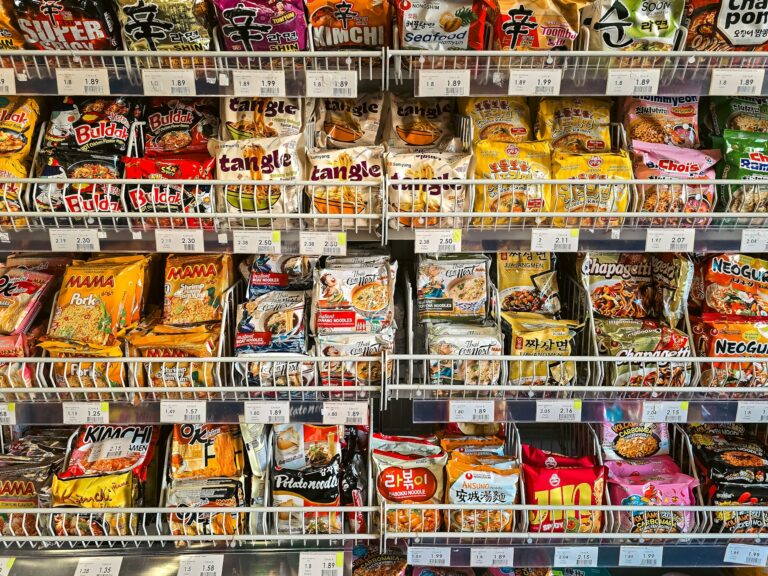
In Seoul, a triangle kimbap and a packaged drink from a convenience store might cost around KRW 3,000, depending on the products and promotions.
A sandwich and coffee combination may cost roughly KRW 3,000–5,000.
In Jakarta, prices vary by neighborhood, vendor, serving size, and whether the meal is purchased in person or through a delivery platform.
One published Jakarta food-vendor menu lists bubur ayam at IDR 15,000, lontong sayur at IDR 15,000–18,500, and a complete nasi uduk meal at approximately IDR 17,000–19,500.
| Breakfast example | Seoul | Jakarta |
|---|---|---|
| Quick option | Triangle kimbap + drink, around KRW 3,000 | Bubur ayam, IDR 15,000 |
| More filling option | Sandwich + coffee, roughly KRW 3,000–5,000 | Nasi uduk set, IDR 17,000–19,500 |
| Common experience | Convenience store, bakery, café | Warung, food cart, neighborhood stall |
These are examples from specific retail listings, not representative citywide averages.
Converting the prices into one currency might seem useful, but it would miss an important point: local wages and purchasing power are different.
The more interesting comparison is what each city offers someone who needs a quick, accessible breakfast.
3. Are Young People Skipping Breakfast?
Here’s a surprising finding from South Korea.
According to the Korea Disease Control and Prevention Agency, 35.3% of people aged one and older skipped breakfast in 2024, based on the national health and nutrition survey’s definition.
Among adults aged 19–29, the figure was 62.1%.
That makes breakfast skipping an important part of the story of how younger Koreans organize their mornings.
Indonesia has its own changes in breakfast habits.
A 2024 academic study using the 2018 Indonesia Food Barometer found that skipping breakfast and other modern breakfast practices were more prevalent among urban adults than rural adults.
Another study using the same broader survey program found that breakfast contributed approximately 26% of daily energy intake among the adults it studied.
These surveys have different methods, age groups, and reference periods from Korea’s national statistics, so their percentages cannot be treated as a direct national comparison.
What they do suggest is that urban life, work schedules, and convenience are influencing how people eat in both countries.
4. Convenience Stores vs Morning Food Stalls
One of the most interesting differences between Seoul and Jakarta isn’t the food itself.
It’s where breakfast happens.
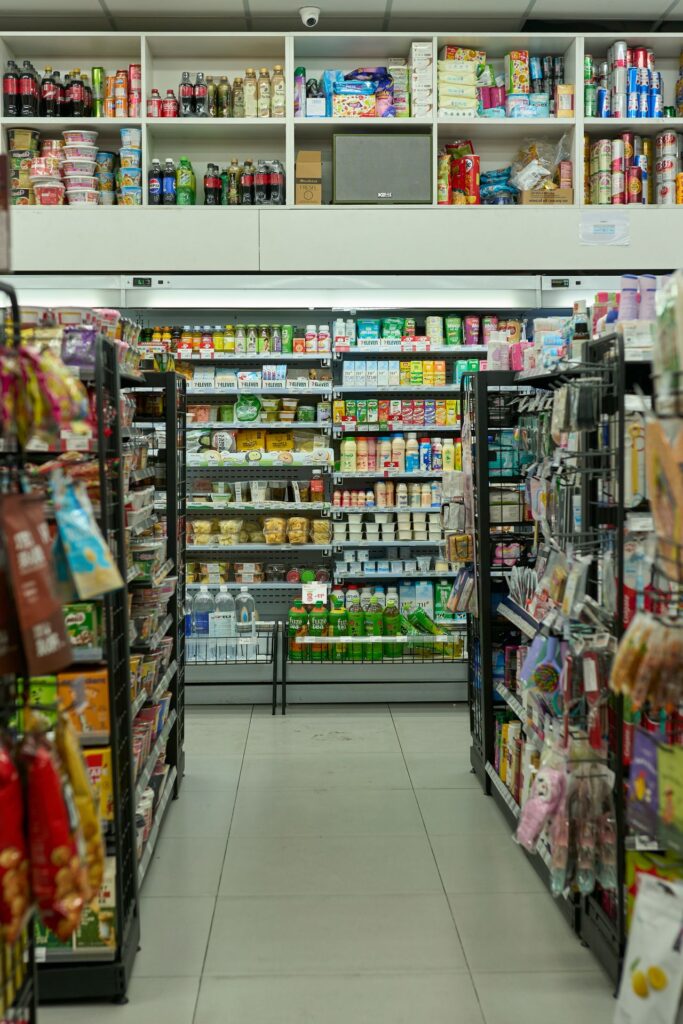
In Seoul, convenience stores have become an important part of the urban food environment. Customers can choose a ready-made meal, heat it, and pay within minutes.
Some commuters prefer an iced Americano and bread. Others bring breakfast from home—or skip it altogether.
In Jakarta, a small neighborhood warung or street cart can play a similar role.
A customer may order a familiar meal, chat briefly with the vendor, and take the food away in a package.
Some people eat beside the stall, while others bring it to the office.
Of course, Jakarta also has modern cafés, bakeries, supermarkets, and convenience stores. Likewise, Seoul still has traditional breakfast restaurants and porridge shops.
The contrast isn’t that one city is traditional and the other modern.
It’s that convenience can look very different depending on the culture around it.
5. What Does Breakfast Tell Us About Daily Life?
Breakfast isn’t just about nutrition.
It’s about time, affordability, habits, and the small places people visit every morning.
A Seoul commuter carrying coffee onto the subway and a Jakarta worker buying coconut rice from a street vendor may appear to have very different routines.
But both are making the same everyday decisions:
What can I afford? What tastes good? How much time do I have?
And perhaps most importantly—can I get to work on time?
The next time you travel between Korea and Indonesia, try starting your day with a local breakfast instead of going straight to a familiar international coffee chain.
You might discover more about the city’s daily life in twenty minutes than you expected.
Different breakfasts, same busy mornings.
So, which would you choose tomorrow morning: Korean triangle kimbap or Indonesian nasi uduk?