Seoul vs Jakarta: How Much Time and Money Does a Daily Commute Really Cost?
A Morning in Two Cities
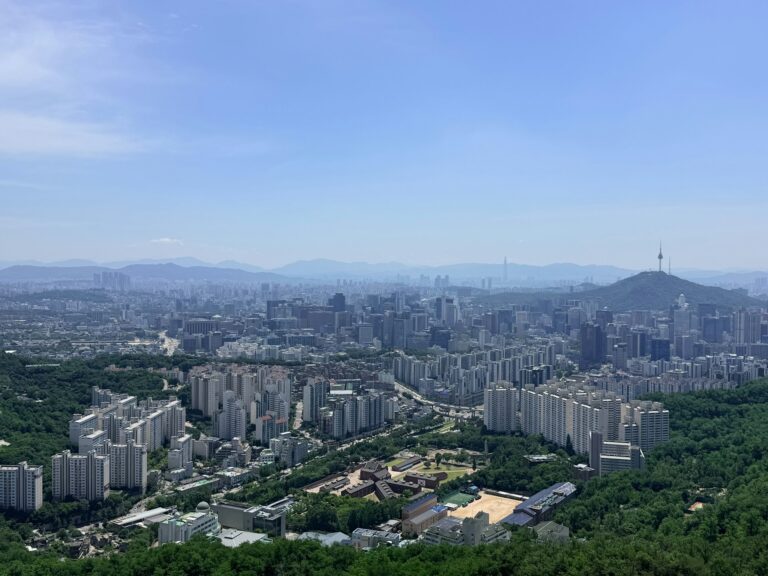
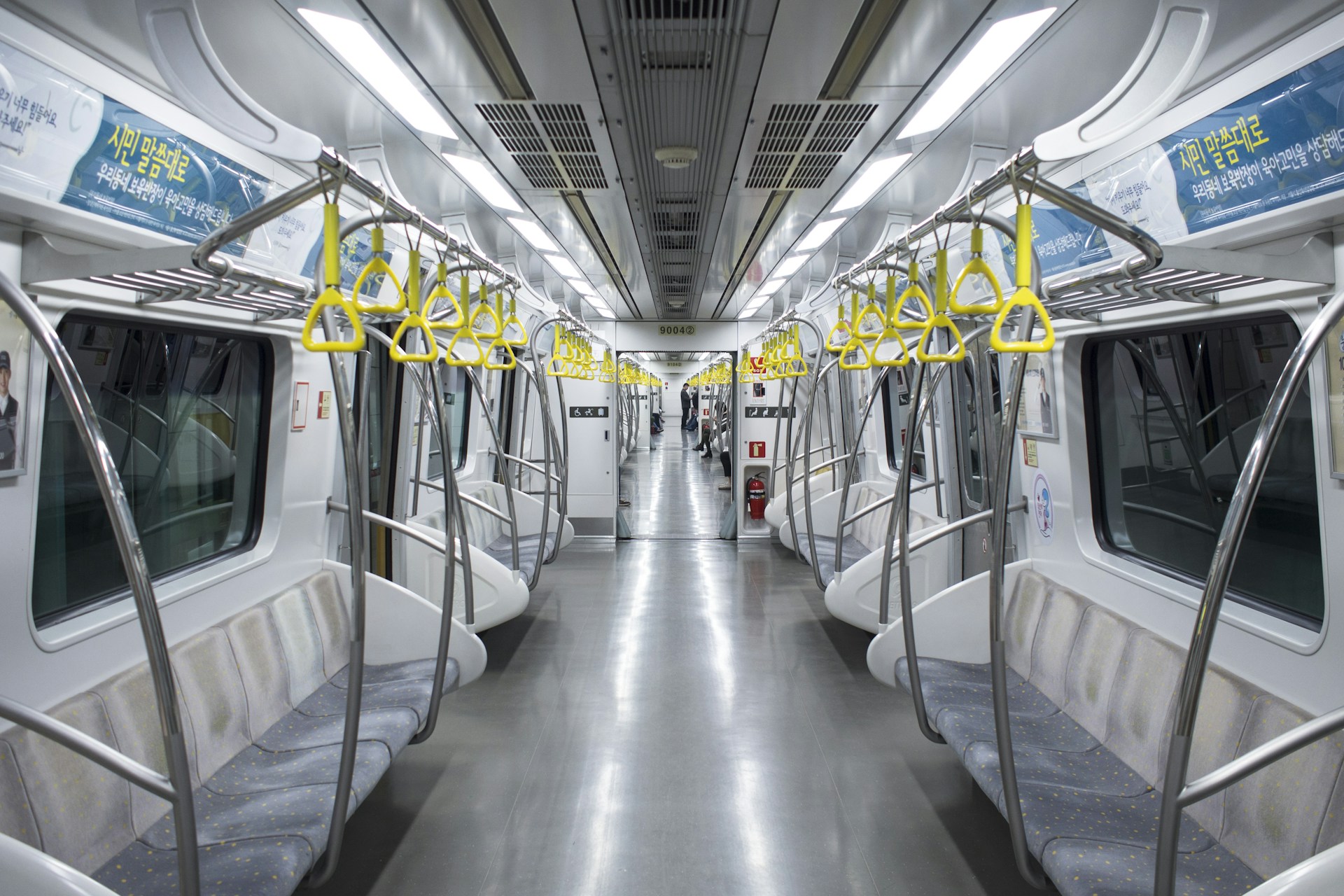
7:30 AM in Seoul.
A commuter walks briskly toward the subway station, holding a coffee and checking the arrival time of the next train. The platform is crowded, but there is a familiar rhythm: stand in line, board the train, and transfer at the right station.
7:30 AM in Jakarta.
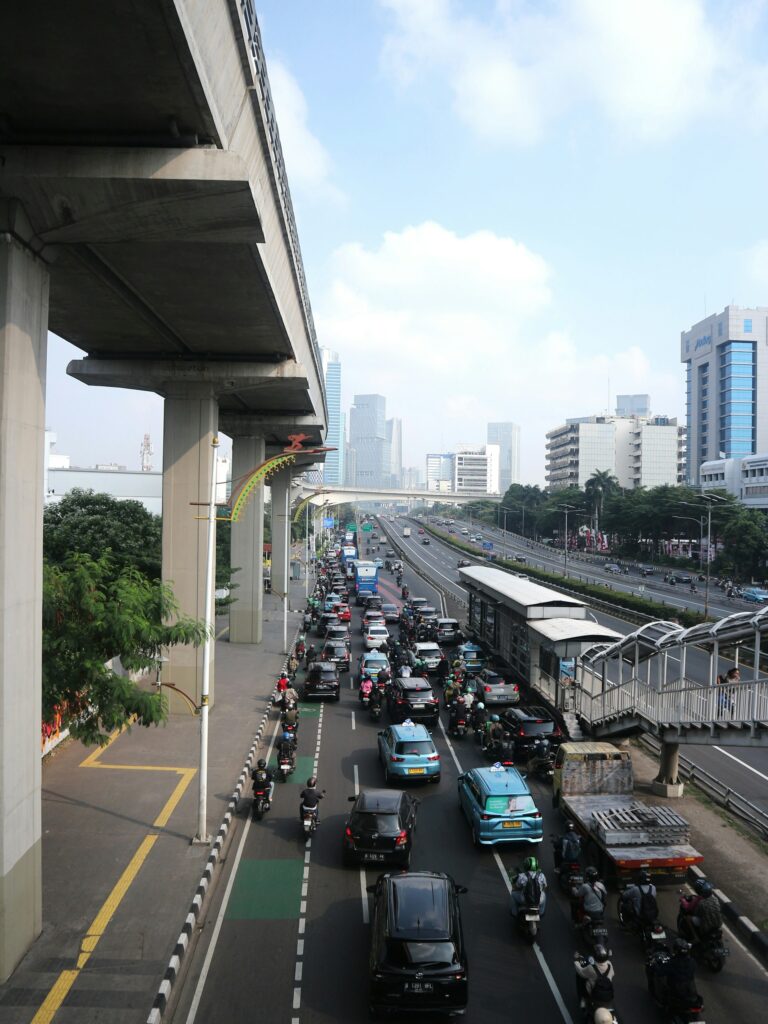
Another commuter checks the traffic outside. Should they take a motorcycle taxi, drive, catch a TransJakarta bus, or head to the MRT? A route that looked reasonable yesterday might feel very different this morning.
Both people have the same destination: work.
But their cities offer different ways of getting there.
1. The Same 10 Kilometers, Two Different Experiences
In Seoul, distance is often less important than access to a subway station. A longer journey with a convenient train connection can sometimes feel easier than a shorter trip involving multiple buses or heavy road traffic.
Jakarta presents another set of choices. Its MRT offers a more predictable journey along its rail corridor, while TransJakarta buses, commuter trains, cars, and motorcycles serve different parts of the metropolitan area.
Road congestion remains a major challenge in both cities.
According to Seoul’s official 2025 traffic analysis, the average weekday road speed was 21.7 km/h.
In Jakarta, the 2025 TomTom Traffic Index recorded an average morning rush-hour driving time of 28 minutes and 34 seconds for 10 kilometers. During the evening rush hour, that increased to 38 minutes and 43 seconds.
These figures come from different measurement systems, so they are not a direct city-to-city speed ranking.
Still, they illustrate something every commuter understands: ten kilometers on a map does not necessarily mean a short journey.
2. What Does a Daily Commute Cost?
Transportation costs can look surprisingly different when converted into local currency.
In Seoul, the standard adult subway base fare is KRW 1,550 when using a transportation card, covering journeys up to 10 kilometers. Longer trips incur additional distance-based charges.
In Jakarta, MRT fares vary by distance, generally ranging from IDR 3,000 to IDR 14,000, depending on the stations.
A common regular TransJakarta fare is IDR 3,500, although some services and payment arrangements have different conditions.
| Public transportation | Seoul | Jakarta |
|---|---|---|
| Rail | Subway from KRW 1,550 | MRT IDR 3,000–14,000 |
| Bus | Integrated urban bus and subway network | TransJakarta, including regular IDR 3,500 services |
| Common alternative | City bus, taxi, walking | Motorcycle taxi, car-hailing, commuter rail |
These are fare references, not a comparison of purchasing power. The same ticket price can represent a very different share of someone’s daily budget in each country.
And for many people, the most expensive part of commuting is not the ticket. It is the time.
3. What Happens When It Rains?
Rain changes a commute in any large city.
In Seoul, heavy summer rain can slow road traffic, make bus stops uncomfortable, and cause disruptions in severe conditions. Winter brings another challenge: snow and icy roads.
Jakarta’s tropical weather creates different difficulties.
A sudden downpour can make motorcycle travel unpleasant, increase demand for ride-hailing services, and complicate the final stretch between a transit station and an office.
Flooding in vulnerable areas can make the situation considerably worse.
For an office worker who can walk directly from an MRT station to a nearby building, rain may be manageable. For someone who depends on a motorcycle ride to reach public transport, it can change the entire morning.
That difference helps explain why commuters often make decisions based not only on speed or cost, but also on comfort, safety, and reliability.
4. More Than Transportation
Commuting reveals a great deal about daily culture.
Seoul’s subway culture emphasizes shared routines: waiting behind platform lines, using transit cards, following transfer signs, and moving through busy stations.
Jakarta’s daily mobility is shaped by a wider combination of transport modes. Motorcycles are highly visible, and the choice between rail, bus, ride-hailing, and private vehicles can become an everyday calculation.
Neither city has a single commuting experience.
Someone living next to a station may see the city very differently from a person commuting from the suburbs.
A crowded train, a delayed bus, an unexpected storm, or a slow-moving traffic jam can influence a person’s mood before the working day has even begun.
And that is something commuters in both countries can understand.
5. Which Commute Would You Choose?
Imagine having two choices.
One journey is predictable but crowded. You stand on a train, make one transfer, and usually know when you will arrive.
The other offers more transport options, but your travel time depends on traffic, weather, and where your journey begins.
Which would you prefer?
There is no universal answer. The best commute depends on where someone lives, where they work, their budget, and what makes them comfortable.
Perhaps the biggest difference between Seoul and Jakarta is not simply how people travel.
It is how they plan their day around the journey.
In both cities, getting to work is part of everyday life. Getting some of that time back may be the real luxury.