Why Is Everyone Running? Indonesia’s Fitness Boom, Air Pollution, and the Cost of Staying Healthy
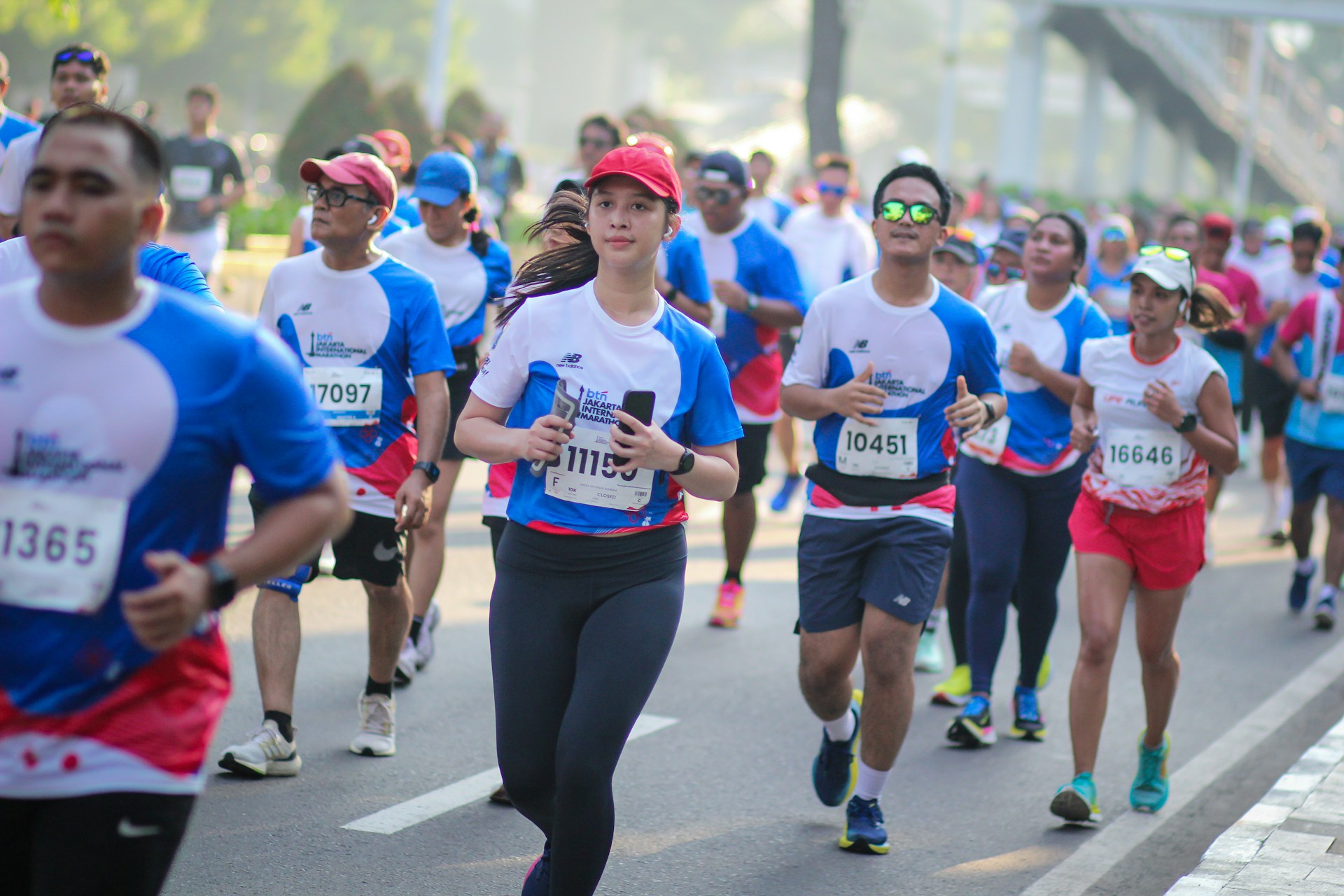
Running has become one of the most visible fitness trends in Jakarta. From weekend running communities to major marathon events, more Indonesians are discovering that exercise can be about much more than staying physically fit.
For many participants, running is also a way to meet people, build friendships, and become part of a community.
But behind this growing enthusiasm lies an interesting question: Why do so many people choose outdoor exercise, even in a city where air pollution remains a serious concern?
Fitness Without Expensive Memberships
One of running’s biggest attractions is its accessibility.
Unlike gym memberships, personal training sessions, or specialized fitness classes, running requires relatively little equipment. A comfortable pair of shoes and a suitable place to exercise are often enough to get started.
In Indonesia, where household incomes and discretionary spending vary considerably, affordability may influence how people choose to stay active.
A 2026 Populix survey found strong interest in running and outdoor activities among respondents who exercise. It also suggested that many people prefer activities that do not require substantial spending.
However, affordability is only part of the story.
Running communities offer social connections, shared motivation, and a sense of belonging. For some participants, meeting friends may be just as important as improving their fitness.
The Cost of Indoor Fitness
Indoor fitness facilities offer important advantages, including exercise equipment, structured training, and protection from outdoor weather conditions.
But membership fees can become a recurring expense.
The actual cost varies significantly between neighborhood gyms, commercial fitness chains, and premium studios. For workers managing housing, transportation, and everyday expenses, even a relatively modest monthly fee may affect their decisions.
This does not necessarily mean Indonesians prefer outdoor exercise solely because of financial limitations. Convenience, enjoyment, community, and personal fitness goals also matter.
The Air Pollution Dilemma
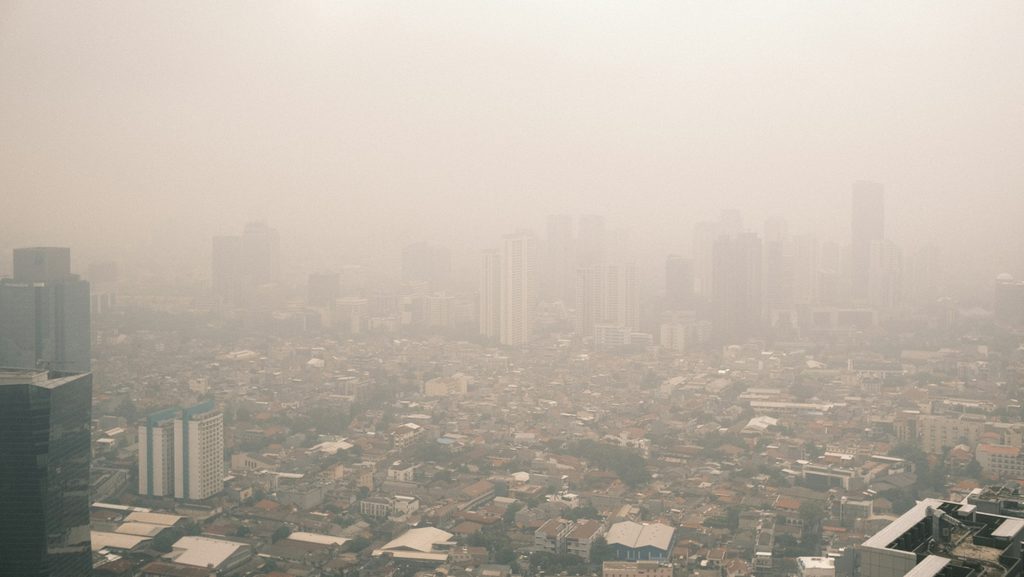
Jakarta’s air quality creates another challenge.
Fine particulate matter, particularly PM2.5, can enter deep into the lungs. During physical activity, faster and deeper breathing may increase exposure to polluted air.
Many Jakarta residents are already concerned about air pollution, according to public opinion research. Yet outdoor exercise remains popular.
This creates a difficult balance between maintaining an active lifestyle and avoiding unnecessary exposure to pollution.
Importantly, clear skies do not always indicate clean air, and early mornings are not automatically the safest time to exercise.
How to Exercise More Safely
Staying active does not have to mean exercising outdoors regardless of the conditions.
Before running, people can check local air-quality information through reliable monitoring services. When pollution levels are elevated, reducing exercise intensity, shortening outdoor sessions, or switching to indoor activities may be safer choices.
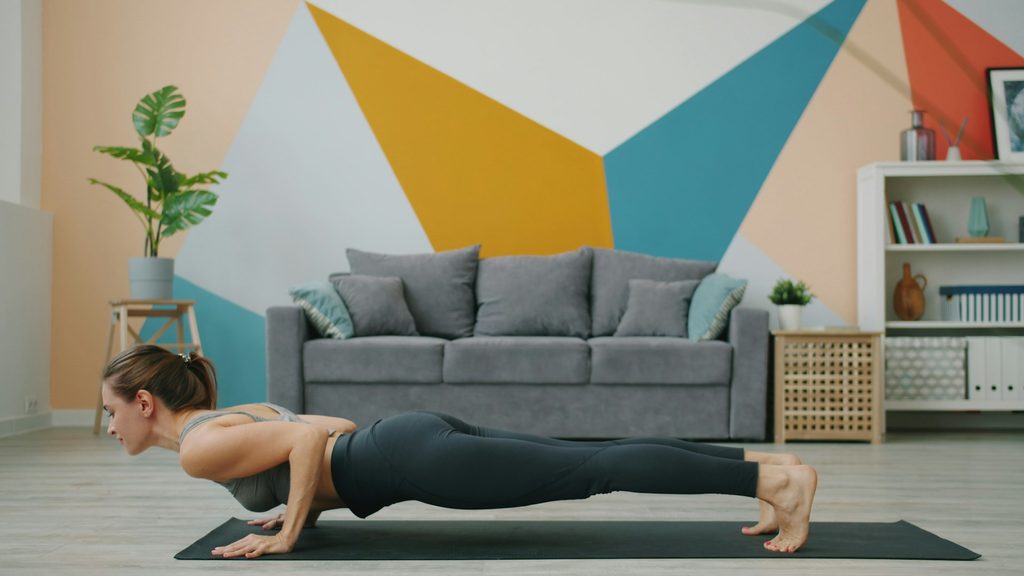
Walking, stretching, yoga, and bodyweight exercises can all be performed at home without expensive equipment.
On hot and humid days, hydration, appropriate clothing, and sufficient rest are also essential.
People with asthma or other respiratory conditions should take additional precautions and follow medical guidance.
A Healthier Fitness Culture
Indonesia’s growing running culture reflects something positive: people are finding enjoyable ways to become more active and connect with others.
But a healthy fitness culture should also recognize differences in income, access to facilities, environmental conditions, and individual health.
Staying active doesn’t have to be expensive, and staying healthy shouldn’t mean ignoring the air we breathe.