Netflix or Family Time? How Weekends Differ in Korea and Indonesia
From streaming marathons and café visits to car-free streets and family gatherings, how do people in two Asian countries really spend their days off?
Who Gets More Days Off?
Imagine waking up on a Saturday morning with no alarm, no meetings, and no immediate plans.
Would you stay in bed and watch Netflix? Meet friends for coffee? Spend time with family? Or use the opportunity to learn something new?
In South Korea and Indonesia, the answers reveal fascinating details about everyday life.
Before exploring how people spend their free time, there is another interesting question: Which country has more public holidays?
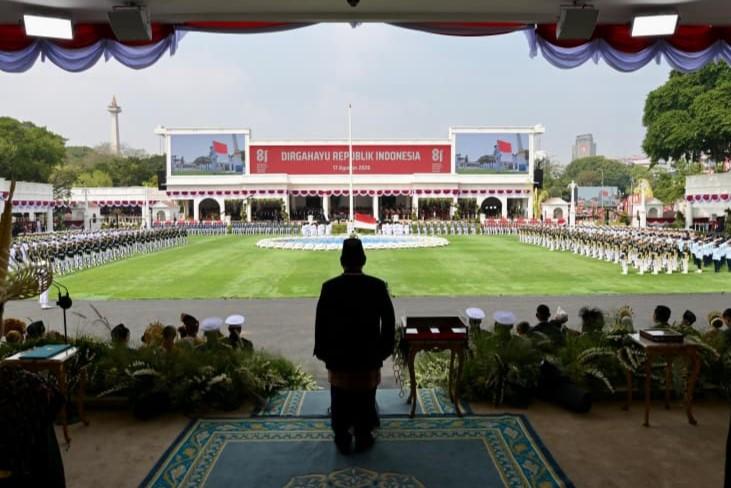
In 2026, South Korea has 22 designated holiday dates, including substitute holidays, Labour Day, Constitution Day, and the nationwide local election day.
Indonesia has 17 national public holidays, plus eight government-designated collective leave days known as cuti bersama.
Here is how the holidays are distributed throughout the year.
| Month | South Korea | Indonesia | Indonesia: Collective Leave |
|---|---|---|---|
| January | 1 | 2 | 0 |
| February | 3 | 1 | 1 |
| March | 2 | 3 | 4 |
| April | 0 | 2 | 0 |
| May | 4 | 4 | 2 |
| June | 2 | 2 | 0 |
| July | 1 | 0 | 0 |
| August | 2 | 2 | 0 |
| September | 3 | 0 | 0 |
| October | 3 | 0 | 0 |
| November | 0 | 0 | 0 |
| December | 1 | 1 | 1 |
| Total | 22 | 17 | 8 |
Source: South Korea’s public-holiday regulations and 2026 calendar; Indonesia’s official three-minister decree on national holidays and collective leave.
Note: These figures count designated holiday dates, including those falling on weekends. Ordinary Saturdays and Sundays are not counted separately. Substitute holidays are included for South Korea. Indonesia’s collective leave arrangements may be applied differently by private employers, so 25 days should not be interpreted as guaranteed paid holidays for every Indonesian worker.
The numbers alone do not reveal which country enjoys more leisure time. Annual leave, working schedules, and employer policies also make a difference.
But they do reveal contrasting holiday calendars.
Korea’s longest traditional family holidays revolve around Seollal, the Lunar New Year, and Chuseok, the autumn harvest festival.
Indonesia’s calendar reflects its religious and cultural diversity, with holidays associated with Islam, Christianity, Hinduism, Buddhism, and other nationally recognized celebrations.
The calendars are different. But what happens when an ordinary weekend arrives?
1. South Korea: The Art of Staying In
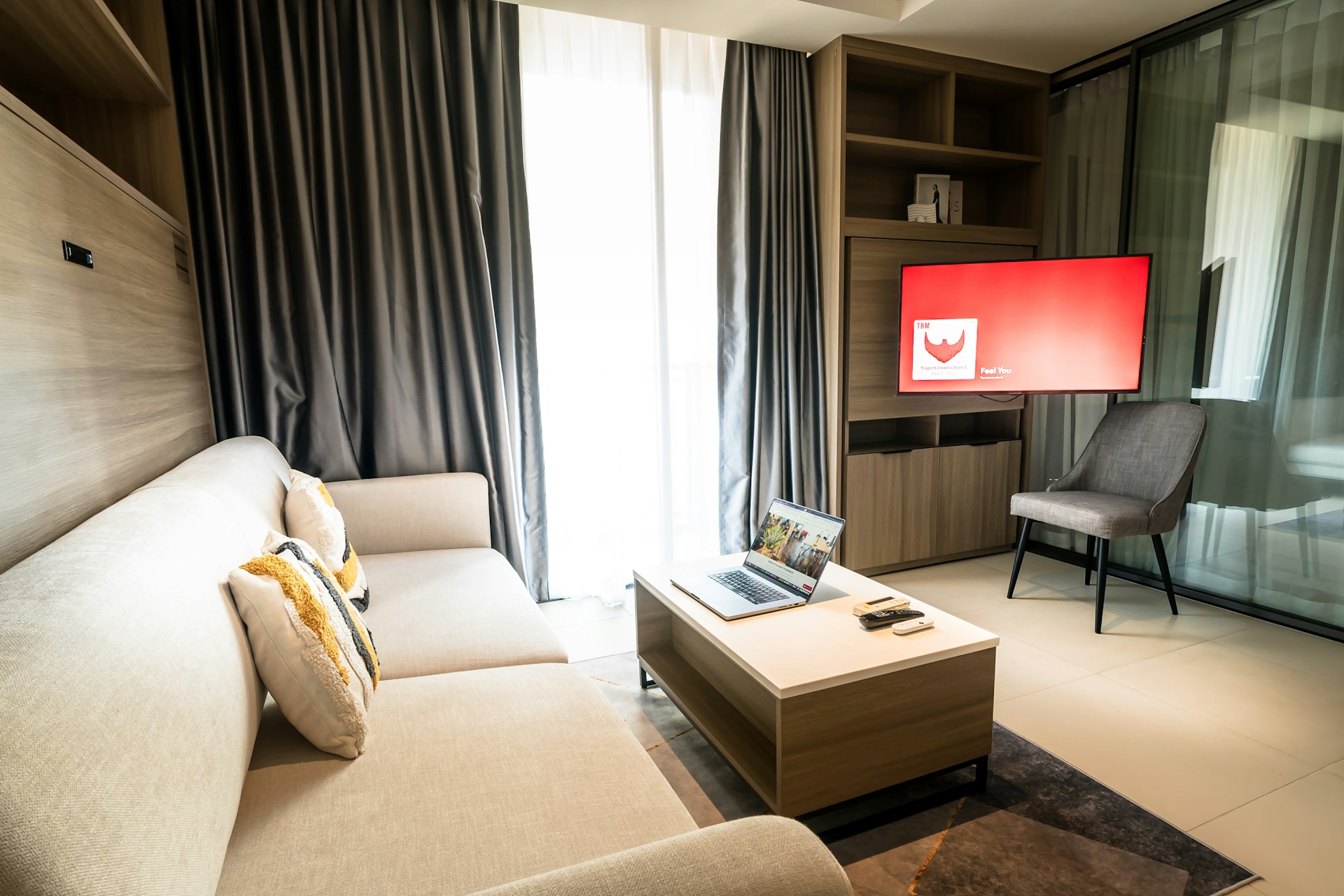
A quiet apartment, comfortable clothes, food delivery, and a favorite series playing on the television.
For many Koreans, that sounds like a perfectly enjoyable weekend.
The Korean expression jipkok (집콕) describes staying at home rather than going out. It is often associated with watching videos, gaming, reading, cooking, or simply doing nothing.
And digital entertainment has become a major part of Korean leisure.
According to the Korea Creative Content Agency’s 2025 survey, 89.1% of respondents used online video services.
Among OTT users, average daily viewing time was approximately 101 minutes on weekdays and 128 minutes on weekends.
YouTube recorded a usage rate of 85.4%, while Netflix reached 47.6% in the same survey. These figures measure platform use, not the proportion of people watching at home.
The numbers help explain why a weekend at home can be entertaining without requiring elaborate plans.
There is always another series to watch, a short video to scroll through, or a game to play.
And sometimes the greatest luxury is simply not having to go anywhere.
But Koreans Haven’t Abandoned the Outdoors
That does not mean Korean weekends are spent entirely indoors.
Cafés are important social spaces, whether people are meeting friends, working on laptops, or spending time alone with a book.
Walking, hiking, cycling, running, shopping, and short domestic trips are also familiar weekend activities.
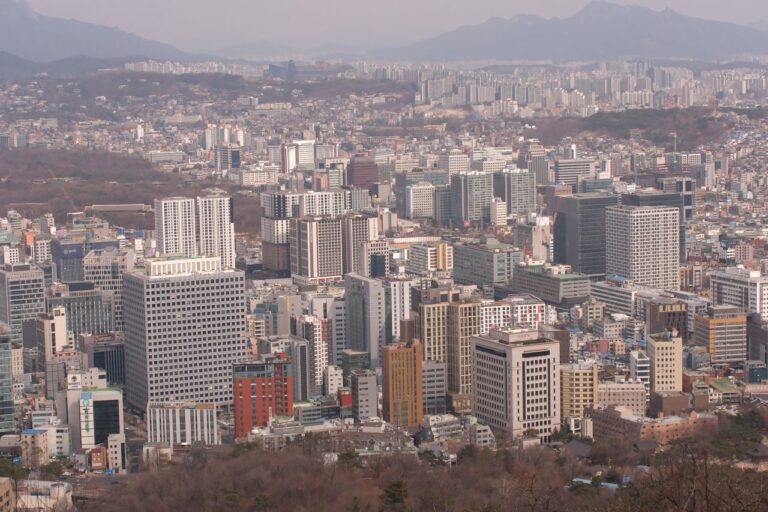
For someone living in Seoul, a day off could mean visiting a neighborhood café, exploring a new restaurant, walking along a nearby trail, or taking a train to another city.
Korea’s 2024 national leisure survey reported participation in rest-related activities at 92.1% and hobby-and-entertainment activities at 80.0%.
These categories overlap and do not indicate whether participants stayed at home. They do, however, show that leisure takes many forms.
The Weekend That Feels Like Another Workday
There is another side to Korean weekends: productivity.
Some people use their free time for online courses, language study, professional certificates, exercise, or personal projects.
Others run small online businesses, work freelance jobs, or create content outside their regular employment.
These activities are visible parts of modern life, although there is not enough comparable evidence to claim that most Koreans spend their weekends studying or working second jobs.
The interesting tension is between rest and self-improvement.
After five busy weekdays, should Saturday be a chance to recharge?
Or is it an opportunity to become more productive?
For some Koreans, the answer is both.
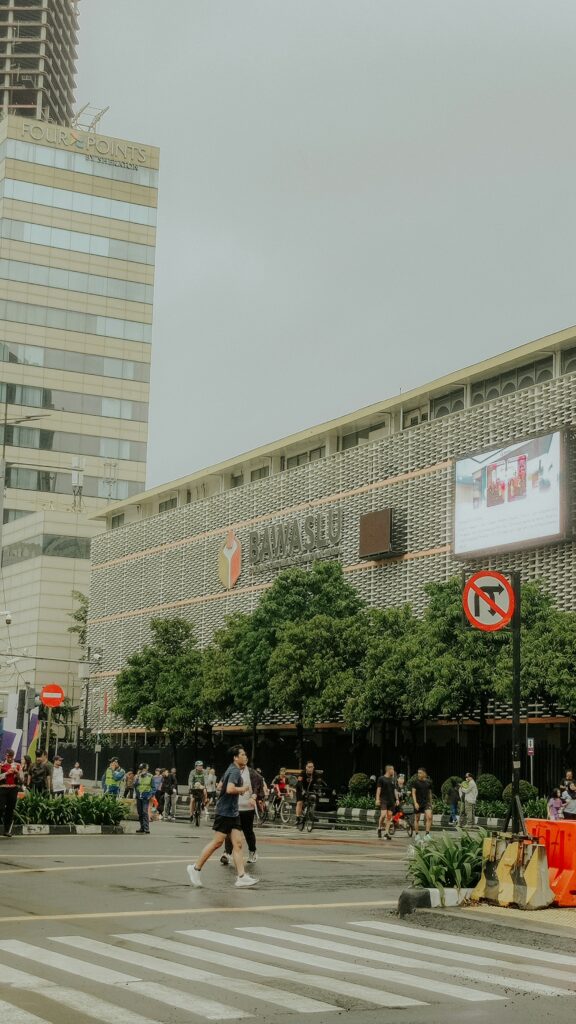
2. Indonesia: When the Streets Become a Playground
Now imagine a Sunday morning in Jakarta.
One of the city’s busiest business districts looks completely different from a normal weekday.
Instead of the usual flow of vehicles, the Sudirman–Thamrin corridor fills with people walking, jogging, cycling, and meeting friends.
This is Jakarta’s famous Car Free Day, officially called Hari Bebas Kendaraan Bermotor.
Under the city’s 2026 arrangements, the central Sudirman–Thamrin route generally opens to pedestrians and cyclists on Sunday mornings, although schedules can change for major events.
For many participants, it is more than an exercise session.
It is an opportunity to enjoy public space, meet a community, take photographs, and experience a different side of the city.
Not every Indonesian city has Jakarta’s Car Free Day experience, but the event provides a vivid glimpse of how urban residents can turn a morning off into a shared activity.
Family, Food, and the Shopping Mall
Indonesian leisure is also shaped by family ties, local traditions, and geography.
In Jakarta and other large cities, shopping malls serve as more than shopping destinations.
They can be comfortable places to eat, meet friends, spend time with children, watch a movie, or escape the afternoon heat and rain.
A weekend outing might involve a family lunch followed by a café visit or a movie.
Others prefer staying home with their phones, streaming entertainment, or playing games.
Just as in Korea, digital leisure and outdoor activities coexist.
Indonesia is too diverse to describe through one weekend routine.
Family visits and religious gatherings may be important to some households, while others prefer sports, travel, shopping, creative activities, or a quiet day at home.
The experience of a young professional in Jakarta may differ significantly from that of a family in Yogyakarta, a student in Bandung, or someone living in Bali.
When a Holiday Means Going Home
One especially distinctive feature of Indonesian holiday culture is mudik.
Around Lebaran, the celebration of Eid al-Fitr, millions of Indonesians travel to their hometowns to reunite with relatives.
In March 2026, Indonesia’s Ministry of Transportation reported that approximately 147.55 million people traveled during the wider Lebaran transportation period, based on mobile-positioning data.
The figure covers travel during the holiday period, not 147.55 million verified individual trips specifically for family reunions.
Nevertheless, it demonstrates the enormous scale of movement associated with Indonesia’s most significant holiday season.
Korea has a familiar parallel.
During Seollal and Chuseok, large numbers of people also travel to visit family, share traditional meals, and spend time with relatives.
The traditions are different, but the importance of returning home is something the two societies share.
3. Netflix or Family Time? The Answer Isn’t So Simple
At first glance, a Korean weekend spent watching Netflix and an Indonesian Sunday spent with family might seem completely different.
But that picture is too simple.
Koreans also value family gatherings, outdoor activities, and shared meals.
Indonesians also enjoy streaming services, social media, games, and quiet weekends at home.
In both countries, age, income, working hours, family circumstances, and where people live can influence what a day off looks like.
There is also a meaningful difference between an ordinary weekend and a major national holiday.
An ordinary Sunday might be spent sleeping late or visiting a café.
A major holiday might involve traveling hundreds of kilometers to see family.
Perhaps the more interesting distinction is not between two nationalities but between two needs that almost everyone recognizes.
Sometimes we need time for ourselves. Sometimes we need time with other people.
Modern leisure increasingly offers both possibilities.
Technology makes it easier to enjoy entertainment without leaving home. Public spaces, family traditions, and community activities give people reasons to step outside and reconnect.
A good weekend does not have to look the same in Seoul, Jakarta, or anywhere else.
The more important question may be whether people have enough time, energy, and freedom to choose how they spend it.
After all, a day off is not simply a day without work. It is a day when we should have the freedom to live on our own terms.